
In This Article
Picture this: it’s -25°C on a frigid February morning in Winnipeg, and you’re loading Max into your car for his vet appointment. Within seconds, he’s shivering on the cold leather seat, whimpering as his paws make contact with the icy surface. Sound familiar?
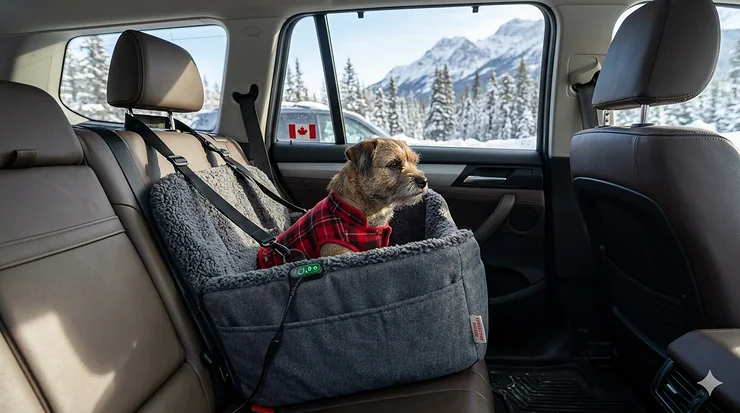
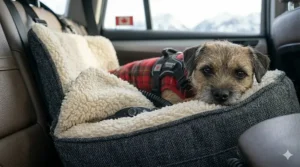
Canadian winters aren’t just brutal for humans—our four-legged companions feel the bite even more intensely. Small dogs, senior pups, and short-haired breeds lose body heat rapidly in freezing temperatures, making a heated dog car seat for cold weather not just a luxury, but a genuine necessity for their health and comfort. Unlike humans who can bundle up in multiple layers, dogs rely on us to create safe, warm environments during travel.
The good news? Modern heated dog car seats combine cutting-edge warming technology with proper restraint systems, giving your pet both safety and comfort on those bone-chilling Canadian road trips. From USB-powered heating pads that warm gradually to thermostatically controlled seats that maintain optimal temperatures, today’s options offer sophisticated solutions for every breed, budget, and vehicle type. Whether you’re commuting across Calgary or road-tripping through the Yukon, investing in the right winter car accessories for dogs can transform your pet’s travel experience from miserable to magnificent.
In this comprehensive guide, we’ll explore the top seven heated and insulated pet car seat options available in Canada, breaking down real specifications, honest pros and cons, and actual CAD pricing so you can make an informed decision for your furry friend’s winter safety.
Quick Comparison Table
| Product | Heating Type | Size Range | Price (CAD) | Best For |
|---|---|---|---|---|
| K&H Bucket Booster Heated | USB 7-watt heater | Small/Large | $149-$179 | Small dogs needing elevation |
| Heated Car Seat Cushion (Universal) | 12V cigarette lighter | Universal | $69-$118 | Multi-purpose, budget-friendly |
| K&H Thermo-Pet Bed | 4-watt MET-listed | Small-Medium | $80-$95 | Portable heated comfort |
| Insulated Dog Car Booster Seat | Thick cushioning | Medium | $65-$85 | Passive insulation |
| PETSFIT Dog Booster with Memory Foam | Memory foam insulation | Small-Medium | $95-$125 | Comfort + warmth retention |
| Heated Pet Blanket for Cars | 12V electric | One size | $45-$75 | Flexible placement |
| SlowTon Console Dog Car Seat | Insulated padding | X-Small-Small | $70-$95 | Centre console warmth |
💬 Just one click – help others make better buying decisions too!😊
Top 7 Heated Dog Car Seat for Cold Weather: Expert Analysis
1. K&H Bucket Booster Pet Seat Heated
When it comes to genuine heated options designed specifically for pets, the K&H Bucket Booster Pet Seat Heated stands as the gold standard. This cleverly engineered seat combines elevation, safety restraints, and intelligent warming technology in one package.
Key Specifications:
- 5-volt, 7-watt USB heater (removable for summer months)
- Available in Small (12.5″ W x 13″ D) and Large (18″ W x 13″ D)
- Durable heavy-denier fabric exterior with quilted fleece interior
- Includes two adjustable safety tethers (10-18″ adjustable)
- Elevates pet approximately 5.5 inches
Canadian Pricing: $149-$179 CAD depending on size
The heater plugs directly into your vehicle’s USB port—a feature that makes it ideal for modern Canadian vehicles without requiring adapters or cigarette lighter converters. The warming element sits beneath the plush fleece cushion, creating gentle heat that’s activated by your pet’s body weight. When Fluffy steps out, the heat dissipates naturally, preventing energy waste.
Canadian buyers on Amazon.ca praise its durability through multiple Manitoba winters, with one Edmonton reviewer noting: “After two years of daily use in -30°C temperatures, the heater still works perfectly and my Chihuahua actually gets excited for car rides now.”
✅ Pros:
- MET safety-listed heating element
- Removable heater stores easily in warmer months
- Collapsible design for space-saving storage
- Works in front or back seats
❌ Cons:
- Higher price point than non-heated options
- USB port requirement (not all older vehicles have them)
2. Heated Car Seat Cushion (Universal Pet-Friendly)
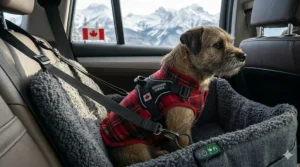
Not technically designed exclusively for pets, but universally praised by Canadian dog owners, the Heated Car Seat Cushion offers remarkable versatility as winter car accessories for dogs. These cushions—available from brands like WellUp, TISHIJIE, and Heatech—provide full back and seat warming that works beautifully for medium to large dogs.
Key Specifications:
- 12V cigarette lighter power source
- Multiple heat settings (typically 2-3 levels)
- Dimensions around 24″H x 20″W (seat base 18-20″)
- Temperature range up to 60°C
- Timer functions (30/60/90 minutes on premium models)
Canadian Pricing: $69-$118 CAD
These cushions heat up within 60-90 seconds—critical when you’re dealing with Canadian winter mornings where every second counts. The breathable fabric prevents moisture buildup (important when your Lab tracks in snow), and the non-slip backing keeps everything stable even when your enthusiastic retriever jumps aboard.
A Toronto pet owner shared: “I originally bought this for myself but noticed my Border Collie would immediately claim it. Now I have two—one for me, one for him. It’s been a game-changer for our cottage trips in February.”
Available at Canadian Tire and Amazon.ca, these offer exceptional value for multi-pet households or owners who want dual-purpose functionality.
✅ Pros:
- Budget-friendly option
- Works for any size dog (or human passengers!)
- Readily available across Canada
- Quick heating time
❌ Cons:
- No built-in safety restraints for pets
- Cord placement can be awkward
- Requires separate harness/restraint system
3. K&H Thermo-Pet Bed (Portable)
While not a traditional car seat, the K&H Thermo-Pet Bed deserves inclusion for Canadian pet owners seeking portable warming solutions. This compact heated bed travels beautifully between home, car, and cottage, making it ideal for warming pet travel needs.
Key Specifications:
- 4-watt MET-listed heater
- Removable, washable fleece cover
- Compact dimensions (varies by model)
- Dual thermostat design
- Warms to pet’s body temperature (10-15°F above ambient)
Canadian Pricing: $80-$95 CAD
The genius here lies in K&H’s thermostat technology—it only activates when your pet is actually on the bed, conserving energy and preventing overheating. Canadian buyers appreciate that the entire unit (excluding the heating element) can be machine-washed, crucial when dealing with salty, slushy paws after winter walks.
Place it on your back seat, secure it with a seatbelt, and attach your dog’s harness to the vehicle’s restraint system for a cozy, temperature-controlled riding experience.
✅ Pros:
- Ultra-energy efficient (costs less than a nightlight to run)
- MET safety certified for both USA and Canada
- Works in multiple locations (not just cars)
- Over 20 years of K&H manufacturing expertise
❌ Cons:
- Requires power outlet or inverter in vehicle
- Not elevated (harder for small dogs to see out)
4. Insulated Dog Car Booster Seat with Thick Cushioning
For pet owners in milder Canadian regions (hello, Vancouver and Victoria!), or those seeking passive insulation without electrical components, the Insulated Dog Car Booster Seat offers an excellent middle ground. Brands like Pawaboo, INDYBUD, and Zxyculture dominate this category on Amazon.ca.
Key Specifications:
- Thick memory foam or high-density cushioning
- Waterproof, detachable covers
- Storage pockets for treats/toys
- Safety belt and adjustable tethers
- Weight capacity: typically 25-35 lbs
Canadian Pricing: $65-$85 CAD
These seats rely on insulation physics—your dog’s body heat gets trapped within the cushioning rather than escaping to cold vinyl or leather seats. The elevated design also creates an air gap between the cold seat surface and your pet, providing natural thermal protection.
Quebec reviewers note that while these don’t actively heat, they’re remarkably effective at retaining warmth during short trips (under 30 minutes) and work beautifully when paired with a pet sweater or coat.
✅ Pros:
- No electrical components to malfunction
- Machine-washable covers
- Lightweight and portable
- Budget-conscious option
❌ Cons:
- No active heating for extreme cold
- Effectiveness depends on trip duration
- Best for small to medium dogs only
5. PETSFIT Dog Booster with Memory Foam
The PETSFIT Dog Booster takes insulated pet car seat design to the next level with patented safety features and 6-inch memory foam cushioning that retains warmth exceptionally well during Canadian winter driving.
Key Specifications:
- 6-inch memory foam base (industry-leading thickness)
- Patent-safe buckle system
- Fully detachable and washable
- Suitable for pets up to 25-35 lbs
- Multiple colour options
Canadian Pricing: $95-$125 CAD
Memory foam naturally insulates better than standard polyester fill, and PETSFIT’s extra-thick base creates substantial separation from cold seats. The patented buckle system earned praise from Canadian pet safety advocates because it distributes crash forces more effectively than standard clips.
Ontario Veterinary College researchers studying pet travel safety have noted that elevated seats like PETSFIT’s design reduce anxiety in small dogs by improving visibility—a secondary benefit that makes cold-weather car rides more pleasant overall.
✅ Pros:
- Superior cushioning and insulation
- Crash-tested safety buckles
- Available widely in Canada (Amazon.ca, Walmart.ca)
- Excellent customer reviews (4.5+ stars)
❌ Cons:
- Premium price point
- Heavier than foam-filled alternatives
- Memory foam requires proper drying if wet
6. Heated Pet Blanket for Cars (12V Electric)
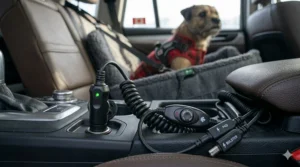
Sometimes the simplest solution is the best. The Heated Pet Blanket category—featuring products from brands like Stalwart and various Amazon sellers—gives you maximum flexibility in creating a warming pet travel environment.
Key Specifications:
- 12V cigarette lighter power
- Dimensions typically 43″ x 59″
- Polyester fleece material
- 96-inch power cord (reaches all seats)
- Auto shut-off features (15/30/60 minutes)
Canadian Pricing: $45-$75 CAD
The beauty of heated blankets lies in adaptability. Drape it over your existing dog car seat, place it in a travel crate, or even use it as a floor mat for larger breeds. The extended cord length means you can position it anywhere in your SUV or truck—crucial for Canadian families with multiple pets or varying vehicle configurations.
British Columbia mushers who transport working dogs long distances swear by these blankets, noting they’re easier to clean than upholstered seats and can be swapped between vehicles effortlessly.
✅ Pros:
- Most affordable heated option
- Extremely versatile placement
- Easy to store and clean
- Works for any size dog
❌ Cons:
- No built-in restraint system
- Can shift during travel
- Some dogs may chew the cord (supervision required)
7. SlowTon Console Dog Car Seat
The final spot goes to the ingenious SlowTon Console Dog Car Seat, designed specifically for small dogs (under 11 lbs) who ride in the centre console area. While not heated, its unique positioning places pets directly above heated console components and air vents—providing passive warmth during Canadian winter driving.
Key Specifications:
- Centre console-specific design
- Anti-collapse metal frame
- Soft cushioned interior
- Detachable, washable lining
- Safety belt attachment included
Canadian Pricing: $70-$95 CAD
This clever design capitalizes on vehicle engineering—most Canadian cars pump heated air through centre console vents first, and the console itself warms from engine heat transfer. By positioning your Chihuahua or Yorkie here, you’re giving them access to the warmest spot in the vehicle without additional heating elements.
Calgary commuters love this for city driving where the console position keeps tiny dogs visible and comfortable while maintaining easy access to cup holders and storage.
✅ Pros:
- Unique centre-console warmth positioning
- Keeps small dogs closer to driver
- Metal frame prevents collapse
- Perfect for urban Canadian driving
❌ Cons:
- Only suitable for very small dogs (under 11 lbs)
- Blocks console storage/cup holders
- Not compatible with all vehicle consoles
Why Heated Dog Car Seats Matter in Canadian Winters
Canada’s climate presents unique challenges that American or European pet owners rarely face. When Environment Canada reports average winter temperatures plummeting to -30°C in the Prairies, -25°C in Ontario, and even -40°C in the Territories, the question isn’t whether your dog needs warmth—it’s how quickly you can provide it.
The Science of Canine Cold Sensitivity
Contrary to popular belief, dogs aren’t naturally equipped for extreme cold. While their wolf ancestors developed survival instincts for harsh climates, thousands of years of domestication have significantly reduced cold tolerance, especially in breeds like Chihuahuas, Greyhounds, and French Bulldogs. Veterinarians at the University of Calgary’s Faculty of Veterinary Medicine explain that smaller dogs lose heat much faster due to higher surface-area-to-volume ratios—your 8-pound Yorkie can develop hypothermia in minutes when exposed to -20°C temperatures.
Dr. Serge Chalhoub, an associate professor at the University of Calgary, emphasizes: “Larger, hairier breeds are likely going to last and do better in winter weather, but there’s no doubt it’s more dangerous for smaller breeds because they will lose heat much faster.” This physiological reality makes temperature-controlled car seat solutions essential rather than optional for Canadian pet owners.
Legal and Safety Considerations
While Canada doesn’t have federal laws specifically requiring heated pet transport, provincial highway safety regulations increasingly address pet restraint. The Ontario Highway Traffic Act’s Section 162 states that drivers cannot operate vehicles with occupants placed to interfere with proper vehicle management—an unrestrained, shivering dog frantically seeking warmth qualifies. Combined with Section 130’s careless driving provisions, there’s legal incentive to properly secure and comfort your pet.
More importantly, Canadian animal welfare laws enforced by provincial SPCAs prohibit exposing animals to dangerous temperature extremes. Transporting a small dog in freezing conditions without adequate warming provisions could technically constitute animal distress under provincial Animal Protection Acts.
The Hypothermia Risk Timeline
Understanding how quickly cold becomes dangerous helps justify the investment in a heated dog car seat for cold weather. According to veterinary research, dogs can progress through hypothermia stages at alarming speeds:
- 5-10 minutes at -20°C: Mild hypothermia begins (shivering, lethargy)
- 15-20 minutes: Moderate hypothermia (muscle stiffness, decreased heart rate)
- 30+ minutes: Severe hypothermia risk (potential organ damage)
Even a “quick” trip to the vet or pet store in January can push your dog into danger zones without proper thermal protection.
How to Choose the Best Heated Dog Car Seat for Your Canadian Climate
1. Assess Your Regional Temperature Extremes
British Columbia coastal drivers face different needs than Manitoba residents. If you’re in Southern Ontario where winters average -10°C to -15°C, passive insulation with thick memory foam might suffice. But if you’re navigating Saskatchewan highways where -35°C is routine, active heating elements become non-negotiable.
2. Match Heating Technology to Your Vehicle
Modern vehicles with multiple USB ports make K&H’s USB-heated seats ideal. Older trucks with robust 12V systems but limited USB? Universal heated cushions that plug into cigarette lighters make more sense. Always verify your vehicle’s power configuration before purchasing.
3. Consider Your Dog’s Size and Breed
A 60-pound Husky needs vastly different accommodation than a 6-pound Pomeranian. Elevated booster seats work brilliantly for small breeds but won’t support large dogs. Conversely, heated blankets adapt to any size but require additional restraint systems.
4. Evaluate Safety Certifications
Look for MET or UL safety listings on any electrical heating element. Canadian Standards Association (CSA) markings add extra assurance. K&H products consistently meet these standards, which is why they dominate veterinarian recommendations.
5. Factor in Washability and Maintenance
Canadian winters mean salt, slush, mud, and moisture. Detachable, machine-washable covers aren’t luxury features—they’re practical necessities. Products requiring hand-washing or spot-cleaning only will frustrate you by February.
6. Calculate Energy Efficiency
USB-powered heaters (typically 4-7 watts) barely impact your vehicle’s electrical system. However, 12V cushions drawing higher wattage can strain older batteries, especially during Canadian cold-start conditions when batteries already struggle. Consider your vehicle’s age and battery health.
7. Plan for Multi-Season Use
The best products offer removable heating elements, transforming from winter warmers to summer cooling seats. This versatility justifies higher upfront costs through year-round utility—important for budget-conscious Canadian families.
Winter Car Accessories for Dogs: Beyond Heated Seats
A comprehensive approach to warming pet travel extends beyond car seats alone. Consider these complementary accessories that Canadian pet owners swear by:
Pet Sweaters and Coats
Even with heated seats, short-haired dogs benefit from additional layering. Canadian-made brands like Canada Pooch offer winter coats designed to work with car harnesses, providing coverage without interfering with safety restraints. Prices range from $45-$95 CAD.
Paw Protection Products
Heated seats warm bodies but do nothing for paws exposed to ice-cold footwells. Booties protect against both temperature and road salt—critical for preventing paw pad cracking in -30°C conditions. Muttluks, a Canadian brand, offers boots starting around $55 CAD.
Car-Specific Pet Barriers
Pairing a heated dog car seat with barriers that trap warm air in the backseat creates micro-climate zones. This physics trick—containing heated air rather than letting it dissipate throughout the vehicle—dramatically improves efficiency.
Portable Water Bowls with Insulation
Hydration matters even in winter. Insulated travel bowls prevent water from freezing during longer trips through rural Alberta or Northern Ontario, where gas stations can be scarce.
Understanding Temperature Controlled Car Seat Technology
Modern temperature controlled car seat systems for pets operate on several core principles that Canadian buyers should understand:
Thermostat-Activated Heating
Premium products like K&H use dual thermostat systems that monitor both ambient temperature and surface contact. Heat only activates when your pet’s weight triggers sensors, and it automatically modulates to maintain optimal warmth (typically your pet’s body temperature plus 10-15°F). This prevents overheating while conserving energy.
USB vs 12V Power Delivery
USB heating elements generally run at 5 volts with wattage between 4-10 watts—safe, efficient, and compatible with modern vehicle architecture. In contrast, 12V systems plug into cigarette lighters and can draw 40-100 watts, providing faster, more intense heat but potentially straining electrical systems in older vehicles.
Canadian winters often mean running heaters, defrosters, heated steering wheels, and seat warmers simultaneously. Adding a high-wattage pet seat to this load requires calculation. If your vehicle is pre-2015, consider USB options or consult your mechanic about electrical capacity.
Insulation Materials Science
Memory foam, closed-cell polyurethane, and high-density polyester fill all insulate differently. Memory foam excels at trapping and retaining body heat (ideal for passive insulation), while polyurethane foam found in K&H products provides structural support with moderate insulation. Understanding these differences helps you choose between active heating and passive warmth retention.
Insulated Pet Car Seat Maintenance for Canadian Conditions
Proper care extends product lifespan and ensures continued safety through multiple Canadian winters. Follow these maintenance protocols:
Monthly During Winter Season
- Vacuum cushions to remove salt crystals and road debris
- Inspect electrical cords for wear, fraying, or chew damage
- Test heating elements before long trips
- Wipe down vinyl/plastic components with damp cloth
After Each Slushy/Muddy Trip
- Remove detachable covers and shake out excess moisture
- Air-dry cushions completely before reassembly (never use dryers on high heat)
- Check that safety tethers haven’t stretched or weakened
Seasonal Maintenance
- Machine-wash fabric covers according to manufacturer guidelines (typically cold water, mild detergent, air dry)
- Store heating elements in dry location during summer
- Inspect buckles and restraint systems for corrosion (salt damage is common)
Safety Checks
- Never leave damaged heating elements plugged in
- Replace any product with exposed wiring immediately
- Verify that USB or 12V connections fit snugly (loose connections create fire hazards)
Canadian Winter Driving Safety with Pets
Integrating heated seats into broader winter travel safety protocols keeps both you and your pet secure on icy Canadian roads. Here’s what experts from the Canadian Automobile Association (CAA) and veterinarians recommend:
Pre-Trip Checklist
- Allow heated seat to warm for 5-10 minutes before loading your dog
- Ensure proper harness attachment to vehicle restraint system
- Confirm heating element connects securely to power source
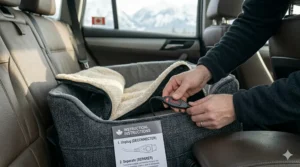
- Test that seat doesn’t obstruct seatbelt functionality
During Travel
- Monitor your dog for signs of overheating (excessive panting, restlessness)
- Take breaks every 2 hours for water and exercise
- Never leave pet unattended in running vehicle with heater on
- Adjust heating levels based on your dog’s comfort cues
Emergency Preparedness
Canadian winter driving demands emergency kits. Include pet-specific items:
- Extra blankets for warmth if your vehicle breaks down
- Portable battery bank to power USB heated seats during roadside emergencies
- Bottled water (frozen water in vehicle is useless in emergencies)
- Pet first-aid supplies
As CBC Life’s winter safety guide emphasizes, ensuring proper restraint through harnesses or crates is paramount: “Ensure that larger dogs have a properly fitted seatbelt or harness that will hold them securely in place.”
Frequently Asked Questions
❓ How do I know if my dog needs a heated car seat in winter?
❓ Are heated dog car seats safe to leave plugged in while driving?
❓ What's the price range for quality heated dog car seats in Canada?
❓ Can I use a heated dog car seat with my vehicle's existing heated seats?
❓ How long do heated dog car seats typically last in Canadian climates?
Conclusion: Investing in Your Dog’s Winter Comfort and Safety
As Canadian pet owners, we understand that winter isn’t a season—it’s an endurance test spanning October through April in many regions. Choosing the right heated dog car seat for cold weather isn’t about indulgence; it’s about acknowledging the reality that our domesticated companions need our help staying warm and safe when temperatures plunge.
The seven options explored in this guide cater to every need, from the USB-powered sophistication of the K&H Bucket Booster Heated to the budget-friendly versatility of universal heated cushions. Whether you’re navigating Toronto traffic with a Pomeranian or hauling a Labrador across Saskatchewan prairies, there’s a solution that balances your budget, vehicle configuration, and your dog’s specific thermal requirements.
Remember that the best product is the one you’ll actually use consistently. A $180 heated seat that’s too complicated sits unused, while a simple $70 heated blanket that you grab without thinking provides actual value. Consider your lifestyle, your dog’s temperament, and your typical winter driving patterns when making your choice.
Most importantly, pair any heated car seat with proper restraint systems—harnesses, tethers, or safety-rated carriers. Travel.gc.ca, Canada’s official travel resource, explicitly states that animals should be contained in ways that prevent driver distraction while protecting them from injury. Warmth and safety work together, not separately.
This winter, transform those dreaded car rides into cozy journeys. Your dog might not be able to thank you in words, but that enthusiastic tail wag when you open the car door speaks volumes.
Recommended for You
- 7 Best Waterproof Dog Car Seat Cover Canada Winter 2026
- 7 Best Furniture Dog Crate That Looks Like Table Canada 2026
- Impact Dog Crate vs Gunner Kennel: 7 Best Crash Tested Options 2026
Disclaimer: This article contains affiliate links to Amazon.ca. If you purchase products through these links, we may earn a small commission at no additional cost to you.
✨ Found this helpful? Share it with your friends! 💬🤗
