In This Article
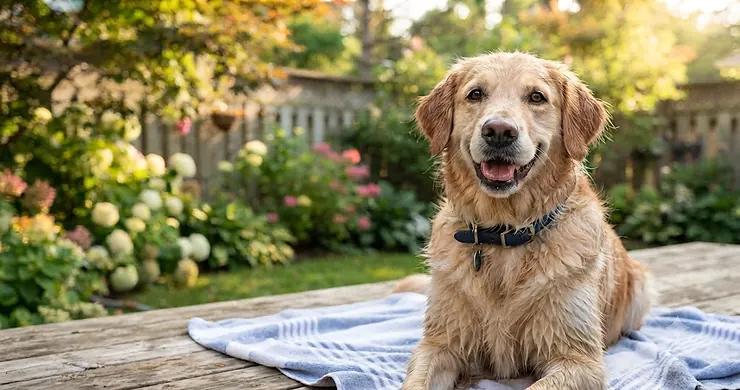
Let’s be honest about why you’re here: your dog walked past you ten minutes ago and you caught a whiff that made you question every life choice that led to owning a large, furry, joy-generating stink machine. You’re not imagining it, and you’re definitely not alone — deodorizing dog shampoo for smelly dogs is one of the most-searched pet care terms in Canada every single spring, right around the time everyone’s windows are open again. What is deodorizing dog shampoo? It’s a shampoo formulated with odour-neutralizing ingredients — baking soda, activated charcoal, essential oils like eucalyptus or lemongrass — that break down smell-causing compounds on the skin and coat rather than just perfuming over them.

Here’s the thing nobody tells you at the pet store: most “stinky dog” smell isn’t dirt. It’s biology. Your dog’s skin produces an oily substance called sebum, and when that sebum mixes with bacteria and yeast that live happily on every dog’s coat, you get that distinctive, slightly musty, unmistakably “dog” smell. A regular bar of human soap or a bargain-bin pet shampoo might wash away the surface grime, but it does nothing for the underlying oil-and-bacteria cocktail — which is exactly why the smell creeps back within 48 hours of a bath.
This guide breaks down seven real, currently available deodorizing dog shampoo for smelly dogs options sold through Amazon.ca, from budget-friendly baking soda formulas to premium organic picks. We’ll dig into what’s actually in the bottle, who each one suits, and — because a bottle of shampoo is only half the equation — how to tackle odour between baths, too.
Quick Comparison Table
| Product | Best For | Key Deodorizing Ingredient | Price Range (CAD) |
|---|---|---|---|
| Wahl Odor Control Purifying Shampoo | Budget concentrate | Eucalyptus & spearmint | Under C$20 |
| TropiClean Deodorizing Shampoo | Long-lasting scent | Sustained-release fragrance tech | C$20-C$30 |
| earthbath Mediterranean Magic | Sensitive-skin dogs | Rosemary oil, soap-free base | C$20-C$25 |
| Burt’s Bees Deodorizing Shampoo | Natural-ingredient shoppers | Apple, rosemary, honey | Under C$20 |
| Arm & Hammer Deodorizing Shampoo | Baking-soda believers | Sodium bicarbonate | Under C$20 |
| Natural Care+ Activated Charcoal Shampoo | Deep, stubborn odour | Binchotan activated charcoal | C$20-C$30 |
| 4-Legger Organic Lemongrass Shampoo | Premium, USDA-certified organic | Organic lemongrass essential oil | C$25-C$40 |
Looking at the lineup, there’s a clear split between fragrance-forward formulas like TropiClean and Wahl, which lean on scent technology to mask and manage odour, and absorption-based formulas like Natural Care+ Activated Charcoal, which physically pull odour molecules off the coat. Budget shoppers gravitate toward Arm & Hammer and Burt’s Bees, both realistically priced under C$20, while 4-Legger sits at the premium end because of its USDA organic certification and small-batch production. If your dog has reactive or sensitive skin, note that earthbath and 4-Legger are the two soap-free, dye-free options on this list.
💬 Just one click — help others make better buying decisions too!😊
Top 7 Deodorizing Dog Shampoos: Expert Analysis
1. Wahl Odor Control Purifying Shampoo — best budget concentrate for regular bathers
Wahl Odor Control Purifying Shampoo is built around a simple idea: use less product, get more washes. This eucalyptus and spearmint concentrate is formulated so a small amount produces a thick lather, which matters more than it sounds like it should — a 24 oz bottle of a diluted formula can outlast a “bigger” 20 oz bottle of a thinner one by several baths.
The eucalyptus and spearmint blend isn’t just there for scent. Spearmint carries natural antifungal and antibacterial properties, which target the yeast and bacteria that feed on sebum and generate that “dog smell” in the first place, while eucalyptus has mild antiseptic qualities that can soothe minor skin irritation during the wash. In practice, this means Wahl is doing double duty — cleaning and mildly treating the skin surface, not just perfuming it. Based on the spec comparison with other budget shampoos in this category, Wahl’s PEG-80-free, alcohol-free, paraben-free formulation is unusually clean for its price point, which is worth flagging for owners who avoid harsher surfactants.
This is the shampoo for owners who bathe their dog every one to two weeks and want something reliable, inexpensive, and gentle enough not to dry out the coat with frequent use. Reviewers consistently report that the concentrate formula genuinely stretches further than standard shampoos, and that the eucalyptus-spearmint scent is noticeably less “perfumey” than fruit-scented competitors — though a handful of reviews mention the scent fading faster on long-coated or double-coated breeds than on short-haired dogs.
Pros:
- ✅ Concentrated formula lasts noticeably longer per bottle
- ✅ Plant-based, PEG-80-free, paraben-free ingredient profile
- ✅ Antifungal, antibacterial properties from spearmint and eucalyptus
Cons:
- ❌ Scent fades faster on thick or double coats
- ❌ Not marketed as suitable for daily use
At around C$15-C$20, Wahl Odor Control Purifying Shampoo is one of the better value-per-wash options here — check current price before buying, since concentrate formulas sometimes get bundled with spray add-ons that shift the total.
2. TropiClean Deodorizing Shampoo — best for scent that survives more than one walk
TropiClean Deodorizing Shampoo leans hard into a specific promise: fragrance that lasts roughly three times longer than a standard dog shampoo, thanks to what the brand calls molecular-level scent distribution. Instead of a fragrance that sits on top of the coat and rinses off in sweat and moisture, the berry-and-coconut scent compounds are designed to bind more evenly through individual hair strands.
What most buyers overlook about this model is that the deodorizing claim isn’t purely about fragrance — the formula also includes colloidal oatmeal and chamomile, ingredients typically associated with itch relief, meaning it does double work on dogs whose odour is tied to mild skin irritation rather than pure oiliness. Here’s what to weigh: TropiClean is not an activated-charcoal or baking-soda formula, so it’s working primarily through scent-lock technology and gentle deep cleaning rather than chemical odour absorption.
This makes TropiClean a strong pick for owners of moderately active dogs — the ones who get muddy on walks and roll around outside but aren’t dealing with a genuine skin-oil problem. Aggregated review sentiment across pet retail sites consistently mentions the scent lasting through multiple days and even surviving light rain, which lines up with the brand’s stated 5X cleaning and 3X scent-retention claims, though a minority of reviewers with very oily-coated breeds (like Labradors) report the fresh smell fading closer to the two-day mark.
Pros:
- ✅ Scent genuinely outlasts standard dog shampoos
- ✅ Oatmeal and chamomile support skin softness
- ✅ 5X cleaning power claim backed by naturally derived surfactants
Cons:
- ❌ Relies more on scent-lock than odour-absorbing ingredients
- ❌ Less effective for dogs with true sebum overproduction
Priced in the C$20-C$30 range for a 20 oz bottle, TropiClean Deodorizing Shampoo earns its spot for owners chasing that “just came from the groomer” smell for longer than a couple of days.
3. earthbath Mediterranean Magic Deodorizing Shampoo — best soap-free option for sensitive skin
earthbath Mediterranean Magic takes a gentler approach than most shampoos on this list. It’s soap-free and pH-balanced, using coconut-based cleansers rather than harsher sulfate detergents, and it’s built around rosemary oil as its primary deodorizing agent, along with organic aloe vera for skin comfort.
The practical upshot: a soap-free, pH-balanced formula is less likely to strip the natural oils your dog’s skin needs — which sounds counterintuitive when you’re trying to eliminate an oil-related smell, but over-stripping sebum actually triggers the skin to overproduce it in response, worsening odour over time. Rosemary oil has long been used in natural pet care specifically because it has mild antimicrobial activity without the drying effect of stronger essential oils like tea tree, which can be irritating or even toxic to dogs in concentrated form. This is honest analysis grounded in how the ingredients function, not a claim about clinical testing.
earthbath suits dogs with reactive, flaky, or easily irritated skin whose owners have already been burned by “strong” deodorizing shampoos that left the coat dry and flaky within a day. Reviewers frequently describe the coat feeling notably softer post-bath compared with drugstore alternatives, and the brand’s cruelty-free, made-in-USA positioning shows up often in review discussions as a purchase driver, though some reviewers with heavy-shedding breeds note the rosemary scent is milder and less “deodorizing-strong” than fruit-forward competitors.
Pros:
- ✅ Soap-free, pH-balanced formula protects the skin barrier
- ✅ Organic aloe vera calms sensitive or reactive skin
- ✅ Non-toxic, paraben and sulfate-free ingredient list
Cons:
- ❌ Milder scent profile than fragrance-forward competitors
- ❌ Less suited to heavy, stubborn odour like skunk spray
At roughly C$20-C$25 for a 16 oz bottle, earthbath Mediterranean Magic is the pick for skin health first, deodorizing second.
4. Burt’s Bees Deodorizing Dog Shampoo — best natural pick for tight budgets
Burt’s Bees for Pets Deodorizing Dog Shampoo combines naturally derived apple and rosemary extracts with honey, which the brand uses specifically to help regulate the coat’s pH balance — a detail that matters more than it seems, since pet skin sits at a different pH than human skin, and formulas designed around human-skin chemistry can actually make dogs itchier and, indirectly, smellier.
What stands out here is the ingredient discipline: the formula is over 95% natural origin and skips chemical detergents, phthalates, parabens, sulfates, and added dyes entirely. On paper this means fewer synthetic residues left on the coat after rinsing, which matters for dogs that lick or chew at themselves post-bath. The apple extract contributes mild natural acidity that can help counter the alkaline buildup associated with excess sebum, while rosemary again pulls deodorizing and mild antimicrobial duty, similar to its role in the earthbath formula above.
This shampoo is aimed squarely at budget-conscious owners who still want an ingredient list they can pronounce. Reviewers commonly describe the honey-based formula as leaving the coat glossy rather than dry, and the recycled-bottle packaging shows up regularly in reviews as an added reason to buy, though a portion of reviewers note the apple-rosemary scent is subtle and doesn’t linger as long as synthetic-fragrance competitors like TropiClean.
Pros:
- ✅ 95%+ natural origin formula, no parabens or sulfates
- ✅ Honey helps maintain correct pH for canine skin
- ✅ Packaged in 80% post-consumer recycled bottles
Cons:
- ❌ Scent fades faster than fragrance-locked competitors
- ❌ Some sizes and scent variants show inconsistent stock
Typically priced under C$20, Burt’s Bees Deodorizing Dog Shampoo delivers a lot of natural-ingredient credibility for the price — check current price and stock, as certain scent variants rotate in and out of availability.
5. Arm & Hammer Deodorizing Dog Shampoo — best for pure baking-soda odour absorption
If you’ve ever put an open box of baking soda in your fridge to kill smells, Arm & Hammer Deodorizing Dog Shampoo is applying the same basic chemistry to your dog. Sodium bicarbonate is a mild alkaline compound that neutralizes acidic, smell-causing molecules on contact rather than masking them, which is a genuinely different mechanism from the fragrance-based approach used by TropiClean or Wahl.
The formula pairs baking soda with kiwi, rose, and white tea extracts and is positioned as tearless and pH-balanced for sensitive skin. What most buyers overlook about baking-soda formulas specifically is that they tend to perform best on surface-level, situational odour — a dog that rolled in something, or one that just smells “walk-dirty” — rather than on chronic, skin-condition-driven odour, where an oil-targeting or activated-charcoal formula (like the Natural Care+ pick below) tends to outperform it.
This is a strong match for owners managing multiple dogs, frequent bathers, or anyone who wants a trusted household name at a genuinely low price point. Aggregated reviewer sentiment repeatedly praises the shampoo’s gentleness on sensitive-skin dogs and its compatibility with topical flea and tick treatments, a detail that matters for owners juggling multiple pet-care products at once, though some reviewers note the kiwi blossom scent is faint immediately after drying.
Pros:
- ✅ Baking soda neutralizes odour rather than masking it
- ✅ Tearless, pH-balanced formula safe for sensitive skin
- ✅ Compatible with topical flea and tick treatments
Cons:
- ❌ Less effective on deep, chronic skin-related odour
- ❌ Faint post-dry scent compared with fragrance-forward brands
Sitting comfortably under C$20 for a 20 oz bottle, Arm & Hammer Deodorizing Dog Shampoo is the sensible everyday choice for households that bathe often and don’t want to overspend doing it.

6. Natural Care+ Activated Charcoal Odor Neutralizing Shampoo — best for stubborn, deep-set odour
This is the shampoo built for the dog that rolled in something you’d rather not name. Natural Care+ Activated Charcoal Odor Neutralizing Shampoo uses Binchotan white charcoal powder — a Japanese-style activated charcoal — combined with green tea leaf extract, salicylic acid, and jojoba oil.
Activated charcoal works through a process called adsorption: its surface is riddled with microscopic pores that trap odour molecules and oils, physically pulling them off the coat and away in the rinse water rather than chemically neutralizing or covering them. What the spec sheet won’t tell you, but the mechanism strongly suggests, is that this formula should outperform fragrance-based shampoos specifically on oily, greasy-coated dogs — breeds prone to excess sebum production, like Basset Hounds or Cocker Spaniels — since charcoal is drawn to oil and grease at a molecular level. The addition of jojoba oil is a smart pairing here, since it moisturizes without adding extra oil residue the charcoal would otherwise have to work against.
This shampoo suits owners dealing with genuinely stubborn, recurring odour — dogs with oilier coats, dogs prone to skin issues, or households where a “quick sniff test” 24 hours after bathing still isn’t passing. Reviewers using activated-charcoal pet shampoos as a category consistently report a noticeably longer odour-free window than with standard shampoos, and specifically call out effectiveness on skunk and urine-related smells, though the instructions to let the shampoo sit for three to five minutes before rinsing is a step some reviewers admit to skipping — reducing the product’s real-world effectiveness.
Pros:
- ✅ Activated charcoal physically absorbs odour and oil
- ✅ Salicylic acid and jojoba oil support skin and coat health
- ✅ Specifically effective against skunk and urine odour
Cons:
- ❌ Requires a 3-5 minute dwell time for full effect
- ❌ Premium pricing relative to standard deodorizing shampoos
Expect a price in the C$20-C$30 range for a 16 oz bottle — a fair premium for a genuinely different odour-fighting mechanism rather than just a nicer scent.
7. 4-Legger Certified Organic Lemongrass & Aloe Shampoo — best premium, USDA-certified organic pick
4-Legger Certified Organic Lemongrass & Aloe Shampoo is the outlier on this list in one specific way: it’s certified to USDA National Organic Program food standards, not just labelled “natural.” That distinction matters, because “natural” is largely unregulated marketing language in pet care, while USDA organic certification requires third-party verification of ingredient sourcing and processing.
The formula is built on saponified organic coconut, olive, and jojoba oils, with organic lemongrass essential oil doing the deodorizing work. Lemongrass has documented natural antimicrobial and antifungal properties, and it’s specifically noted as effective even on dogs that have been skunked — a genuinely useful data point for anyone in a rural or forested part of Canada where skunk encounters are a real seasonal risk. Based on the spec comparison with other natural shampoos on this list, 4-Legger’s concentrated formula also means less product is needed per bath than a standard shampoo, which partially offsets its higher upfront price over the life of the bottle.
This is the shampoo for owners who prioritize ingredient transparency above all else — no artificial thickeners, no synthetic fragrance, and a company that publishes its full ingredient list for independent lookup. Reviewers consistently highlight the noticeably softer, shinier coat after use and specifically mention the shampoo not leaving the “still smells like wet dog” residue that plagues cheaper natural formulas, though the higher price point and smaller bottle size are recurring points of friction in aggregated feedback.
Pros:
- ✅ USDA-certified organic, third-party verified ingredients
- ✅ Lemongrass effective even against skunk odour
- ✅ Concentrated formula reduces amount needed per bath
Cons:
- ❌ Premium price relative to conventional shampoos
- ❌ Smaller bottle sizes mean more frequent reordering
At C$25-C$40 depending on size, 4-Legger sits at the top of this list’s price range — but for owners who read every ingredient label, it’s arguably the most defensible premium purchase here.
What Causes Doggy Odour? Skin Oil Buildup and More
Before you can pick the right deodorizing dog shampoo for smelly dogs, it helps to understand what’s actually happening under the fur. Every dog’s skin contains sebaceous glands that continuously produce sebum — an oily, waxy substance that protects and waterproofs the skin and coat. In healthy amounts, sebum is a good thing: it keeps the coat glossy and the skin barrier intact. The trouble starts when sebum production ramps up, whether from breed predisposition, hormonal factors, diet, or an underlying skin condition, creating the ideal environment for the yeast and bacteria naturally living on your dog’s skin to multiply and produce that distinctive musty odour.
Veterinary sources describe this more formally as seborrhea, a condition where the skin produces either too much oil (oleosa) or too little (sicca), and many dogs with this condition carry a distinctive odour as a direct result. It’s worth flagging that certain breeds are more prone to this pattern — Basset Hounds, Cocker Spaniels, and similar breeds show up repeatedly in veterinary literature as predisposed to oilier skin and stronger odour, regardless of how often they’re bathed.
In more severe, chronic cases, this same gland system can develop inflammatory conditions such as sebaceous adenitis, where the body’s immune response damages the oil-producing glands themselves — a good reminder that persistent odour paired with visible skin changes deserves a veterinary look rather than a stronger shampoo. Other common odour causes stack on top of ordinary skin oil buildup: damp fur that doesn’t dry properly (especially in floppy-eared breeds prone to ear infections), diet-related skin inflammation, anal gland issues, dental disease, and simply rolling in something outside. This is exactly why a single “miracle” shampoo can’t solve every dog’s smell problem — a shampoo built to absorb excess oil (like an activated charcoal formula) won’t do much for a dog whose odour is coming primarily from ear infections or dental issues, which require veterinary attention rather than a bathing product.
How to Choose Deodorizing Dog Shampoo for Smelly Dogs
If you only remember one section from this guide, make it this one. Choosing the right formula comes down to matching the shampoo’s mechanism to your dog’s actual odour source.
- Identify the odour type first. A greasy, musty, all-over smell points to sebum overproduction — go with activated charcoal or a soap-free formula. A “just rolled in something” smell responds well to baking soda or fragrance-lock shampoos.
- Check the coat and skin type. Sensitive or flaky skin does better with soap-free, pH-balanced formulas like earthbath or 4-Legger; oily coats benefit more from charcoal-based deep cleaning.
- Match bathing frequency to formula strength. Dogs bathed weekly need gentler, non-stripping formulas; dogs bathed monthly can handle a stronger deodorizing formula without drying issues.
- Read the ingredient list, not just the front label. “Natural” is unregulated; look for actual deodorizing agents — baking soda, activated charcoal, or specific essential oils — rather than just a pleasant scent name.
- Consider concentration and value per wash. Concentrated formulas like Wahl or 4-Legger often cost more per bottle but less per actual bath.
- Factor in your dog’s sensitivities. Dogs with known allergies should avoid heavily fragranced formulas in favour of simpler, shorter ingredient lists.
- Set realistic expectations. No shampoo permanently eliminates odour if the underlying cause — diet, skin condition, ear infections — isn’t addressed alongside it.
Long-Lasting Odour Control: What Actually Works Between Baths
A long-lasting odour control dog shampoo does two jobs: it neutralizes existing odour at bath time, and it slows how quickly new odour builds back up. The shampoos that genuinely deliver on “long-lasting” claims tend to use one of two mechanisms — sustained-release fragrance technology (like TropiClean’s molecular scent-binding) or physical odour absorption that removes the source material entirely (like activated charcoal).
Here’s what most owners get wrong: layering on a heavily scented shampoo doesn’t actually extend odour control if it’s not paired with a genuine deep clean underneath. Fragrance sitting on top of unaddressed sebum and bacteria will fade within a day or two because the smell-causing compounds underneath are still active. The better approach — and the one used across nearly every shampoo on this list, in one form or another — is deodorizing at the source (charcoal, baking soda, antimicrobial essential oils) with a complementary scent layered on top, rather than relying on scent alone.
Between-bath maintenance matters just as much as the shampoo itself. Brushing daily distributes natural oils more evenly rather than letting them pool and turn rancid in one spot, while a quick wipe-down with a damp cloth after walks removes surface bacteria before it has a chance to multiply. For dogs that need a boost between full baths, a matching deodorizing spray or waterless foam from the same product line can extend a shampoo’s effect by several days without the wear-and-tear of over-bathing, which — as Purina Canada notes — can actually strip protective natural oils and make skin (and odour) problems worse rather than better.
Shampoo for Dog Smell Between Baths
This is the gap most owners struggle with: your dog smelled great on Sunday, and by Wednesday, that familiar funk is creeping back — but a full bath every three days isn’t good for the coat or your water bill. The solution isn’t more frequent shampooing; it’s smarter spot maintenance.
A quick sniff-and-target approach works well here. Focus on the areas where odour concentrates fastest: behind the ears, in armpit and groin folds, around the paws, and along the tail base, since these are all zones rich in sebaceous glands and prone to trapped moisture. A dry shampoo or deodorizing spray from the same brand as your regular shampoo (several of the products above, including TropiClean and Burt’s Bees, offer matching sprays) can refresh these specific zones without a full wet bath. Pet wipes with similar deodorizing ingredients — witch hazel, aloe, or mild essential oils — work well for a fast post-walk refresh, especially on paws that pick up outdoor odour and track it straight to the couch.
Regular brushing genuinely earns its place in this routine, too — it’s not just about detangling. Brushing redistributes sebum evenly across the coat rather than letting it concentrate and turn rancid in specific spots, and it physically removes loose hair and debris that would otherwise trap odour close to the skin.
Natural Deodorizing Ingredients: What the Label Actually Means
The words “natural deodorizing ingredients for dog shampoo” get slapped on a huge range of products, but not every natural ingredient does the same job. Understanding what’s actually working in each formula helps you shop past marketing language.
Baking soda (sodium bicarbonate) neutralizes acidic odour molecules through a simple chemical reaction rather than masking them — it’s the mechanism behind Arm & Hammer’s entire product line and works especially well on situational, surface-level odour.
Activated charcoal works through physical adsorption, trapping odour and oil molecules in its porous surface structure. It’s the standout ingredient in the Natural Care+ formula above and tends to outperform other naturals on chronic, oil-related odour specifically.
Essential oils like rosemary, eucalyptus, spearmint, and lemongrass contribute mild antimicrobial and antifungal properties, targeting the bacteria and yeast that generate odour in the first place rather than the oil itself. These show up across earthbath, Burt’s Bees, Wahl, and 4-Legger.
Oatmeal and aloe vera don’t deodorize directly, but they soothe irritated skin — and since irritated, inflamed skin often produces more sebum and odour as a stress response, these ingredients play an indirect but genuinely useful supporting role.
The practical takeaway: a shampoo’s natural ingredient list tells you its mechanism, and matching that mechanism to your dog’s specific odour source (oily skin versus surface dirt versus situational smell) matters more than chasing the most “natural-sounding” bottle on the shelf.
Activated Charcoal Shampoo: Does It Really Absorb Odour?
Activated charcoal has become something of a buzzword in pet care over the past few years, showing up in everything from shampoos to air fresheners, so it’s worth separating the genuine chemistry from the marketing hype.
The short answer: yes, activated charcoal genuinely absorbs odour, and the mechanism is well understood — its surface area is riddled with microscopic pores that trap gas molecules, oils, and impurities through a process called adsorption, the same principle used in household air and water filters. When formulated into a shampoo, that porous charcoal binds to excess sebum and odour-causing compounds on the coat during the wash, then rinses away with them rather than leaving them behind to keep generating smell.
Where activated charcoal shampoo tends to underperform expectations is dwell time. Unlike a standard shampoo you can lather and rinse in under a minute, charcoal formulas generally need three to five minutes of contact time to actually pull odour and oil off the skin — rushing this step is the single most common reason owners report disappointing results. It’s also worth noting that charcoal shampoos work best on genuinely oily, odour-prone coats; on a dog with normal, healthy sebum levels, the difference between a charcoal formula and a standard deodorizing shampoo is likely to be marginal.
Practical Usage Guide: Getting the Most Out of Deodorizing Shampoo
Even the best shampoo underperforms with the wrong technique. Here’s how to actually get the deodorizing benefit you’re paying for.
Start with a genuinely thorough wet-down — lukewarm water, not hot, since hot water strips more natural oil and can trigger a rebound in sebum production. Work the shampoo in from the neck back toward the tail, focusing extra attention on odour hot spots: behind the ears, in skin folds, around the paws, and along the underside. For any formula with active deodorizing ingredients (charcoal, baking soda, essential oils), let it sit for three to five minutes before rinsing — this dwell time is where the actual odour-neutralizing chemistry happens, and skipping it is the most common reason a “good” shampoo underperforms.
Rinse until the water runs completely clear; leftover shampoo residue is a common, overlooked cause of skin irritation and, ironically, lingering odour. Towel-dry thoroughly and, if possible, finish with a low-heat blow dryer or a well-ventilated space, since damp fur left to air-dry slowly creates exactly the warm, moist environment that yeast and bacteria thrive in.
A common first-month mistake worth flagging: switching shampoos too frequently in search of a “perfect” formula. Skin needs roughly two to three washes to show a formula’s true effect, since a single bath can’t undo weeks of sebum buildup or fully demonstrate a new ingredient’s benefit.
Real-World Scenarios: Matching Shampoo to Your Dog
The apartment-dwelling short-coat commuter. A short-haired dog who mostly walks city sidewalks and rides elevators doesn’t need a heavy-duty formula — a budget option like Arm & Hammer or Wahl, bathed every three to four weeks, handles typical urban grime and light odour without over-drying a coat that already gets minimal natural protection from mud and grass.
The backyard-and-trail weekend warrior. A dog that spends weekends hiking, swimming, or rolling in questionable backyard finds benefits from a stronger formula with genuine odour-absorbing power. Natural Care+ Activated Charcoal or 4-Legger (with its documented effectiveness against skunk odour) make sense here, paired with a between-bath deodorizing spray for the days right after a muddy adventure.
The senior dog with sensitive, thinning skin. Older dogs often develop more reactive skin and can’t tolerate frequent bathing with harsh formulas. earthbath Mediterranean Magic, with its soap-free, pH-balanced base, is a gentler match — bathed less frequently, with brushing and spot-cleaning handling maintenance in between.
Common Mistakes When Buying Deodorizing Dog Shampoo
The single biggest mistake is chasing scent strength as a proxy for effectiveness. A shampoo that smells overpoweringly strong straight out of the bottle isn’t necessarily doing more deodorizing work — it may simply have more synthetic fragrance, which fades faster and can irritate sensitive-skinned dogs.
A second common error is ignoring dwell time entirely, especially with charcoal and baking-soda formulas that need a few minutes of skin contact to actually work chemically rather than just cosmetically. A third mistake: assuming a more expensive shampoo automatically outperforms a budget one for your specific dog. Price often reflects ingredient sourcing and certification (as with 4-Legger’s USDA organic status) rather than raw deodorizing power — a C$15 baking soda formula can outperform a C$35 organic one on a dog whose main issue is situational, surface-level odour rather than chronic skin oil.
Finally, owners frequently skip the patch test on a small area before a full bath, which matters more with essential-oil-heavy natural formulas, since dogs can develop sensitivities to specific plant oils just like humans do.
Deodorizing Shampoo vs Scented Cologne Sprays
It’s worth being clear about what a deodorizing dog shampoo for smelly dogs can and can’t replace. Cologne sprays and dry deodorizing sprays are genuinely useful between-bath tools, but they work through a fundamentally different mechanism than shampoo.
A cologne spray sits on top of the coat and provides fragrance coverage — it doesn’t touch the skin surface where sebum and bacteria actually live, so it can’t address the root cause of odour. A deodorizing shampoo, by contrast, makes direct contact with the skin during the wash, giving active ingredients like baking soda, activated charcoal, or antimicrobial essential oils the chance to actually neutralize or remove odour-causing compounds rather than covering them.
| Feature | Deodorizing Shampoo | Cologne / Deodorizing Spray | Best For |
|---|---|---|---|
| Odour mechanism | Neutralizes/absorbs at the skin | Masks with fragrance | Shampoo: root cause; Spray: quick refresh |
| Contact with skin | Direct, with rinse | Surface/coat only | 4-Legger, Natural Care+ Activated Charcoal |
| Duration of effect | Days to weeks | Hours to 1-2 days | Long trips: shampoo first |
| Best use case | Full odour reset | Between-bath touch-up | Combine both for best results |
The practical takeaway from this comparison: the two tools aren’t competitors, they’re teammates. A solid deodorizing shampoo like TropiClean or Natural Care+ Activated Charcoal should form the foundation of your routine, with a matching spray or dry shampoo handling the gaps in between full baths — using a spray alone, without ever addressing the skin directly, is why so many owners feel like they’re “always” fighting dog smell without ever actually solving it.
Long-Term Cost & Maintenance
Thinking about deodorizing shampoo purely by bottle price misses the bigger picture. A concentrated formula like Wahl or 4-Legger, while pricier per ounce, often works out cheaper per actual bath because less product is needed each time — a genuinely different calculation than a standard-dilution shampoo like Burt’s Bees or Arm & Hammer, where you’re paying primarily for volume.
There’s also a health-cost angle worth factoring in. Repeatedly using a harsh, stripping shampoo to chase odour can trigger a rebound cycle — over-dried skin overproduces sebum to compensate, which then produces more odour, prompting more frequent (and more damaging) bathing. Choosing a gentler, correctly matched formula from the start, even at a slightly higher upfront cost, tends to reduce both bathing frequency and the likelihood of needing a vet visit for skin irritation down the line — a real, if harder to quantify, long-term saving.
For most households, budgeting C$20-C$30 per month for shampoo, spot sprays, and the occasional wipe pack is a realistic range, regardless of which specific product line you settle on.
Safety, Regulations & Canadian Considerations
Deodorizing dog shampoos sold in Canada fall under general cosmetic and pet product safety expectations rather than a dedicated federal approval process the way medications do, so it’s worth doing a bit of your own label-reading. Look for formulas that are pH-balanced specifically for dogs — canine skin sits at a different pH than human skin, and using human shampoo (or a poorly formulated pet product) can damage the skin’s protective barrier and worsen both odour and irritation over time.
If your dog shows signs of chronic, hard-to-shift odour alongside flaky, greasy, or red skin, that’s a signal worth taking to a veterinarian rather than solving with a stronger shampoo — persistent odour tied to seborrhea often needs a diagnosed, treated underlying cause rather than an over-the-counter fix alone. On the general question of how often to bathe in the first place, Hills Pet Canada’s grooming guidance lands on a similar every-few-weeks baseline, adjusted for coat length and skin condition. It’s also worth knowing that essential-oil-based formulas, while generally safe in the low concentrations used in commercial shampoos, should always be applied strictly as directed and kept away from a dog’s eyes, mouth, and any open skin.
On bathing frequency specifically, Purina Canada’s grooming guidance points to a four-to-eight-week baseline for most dogs, adjusted up or down based on coat type, activity level, and any diagnosed skin conditions — a useful anchor point regardless of which shampoo on this list you land on.
FAQ
❓ How often should I use deodorizing dog shampoo?
❓ Does activated charcoal shampoo actually work for dog odour?
❓ Can I use baking soda shampoo on a puppy?
❓ Why does my dog still smell bad right after a bath?
❓ What's the best natural ingredient for dog odour control?
Conclusion
There’s no single “best” deodorizing dog shampoo for smelly dogs — there’s a best match for your specific dog’s coat, skin, and lifestyle. A budget-friendly baking soda formula like Arm & Hammer handles everyday, surface-level funk beautifully. A dog with genuinely oily skin and recurring odour is better served by an activated charcoal formula like Natural Care+, while sensitive-skinned dogs do best with a gentler, soap-free option like earthbath or 4-Legger.
What matters more than any single bottle is understanding the actual mechanism behind the odour in the first place — sebum, bacteria, and yeast, not simply “dirt” — and choosing a formula (and a bathing routine) that addresses that mechanism directly rather than just masking it for a day or two. Combine the right shampoo with sensible between-bath maintenance, and that “smelly dog” reputation becomes a lot less deserved.
✨ Don’t Miss These Exclusive Deals!
🔍 Take your dog’s grooming routine to the next level with these carefully selected shampoos. Click on any highlighted product above to check current pricing and availability on Amazon.ca. These picks will help you create a genuinely fresher-smelling home your whole family — two-legged and four-legged — will love!
Recommended for You
- Medicated Dog Shampoo for Skin Allergies: 7 Picks for 2026
- Hypoallergenic Dog Shampoo: 7 Gentle Picks for Itchy Dogs (2026)
- Flea and Tick Shampoo for Dogs: 7 Vet-Smart Picks for 2026
Disclaimer: This article contains affiliate links. As an Amazon Associate, I earn from qualifying purchases. If you purchase products through these links, we may earn a small commission at no additional cost to you.
✨ Found this helpful? Share it with your friends! 💬🤗
