
In This Article
Picture this: you’re standing in the pet aisle at your local Canadian Tire, staring at dozens of dog bowls, and you realize you have absolutely no idea which material is actually safe for your furry friend. You’re not alone. Most Canadian pet parents grab whatever looks cute or costs less than $20 CAD, never thinking about what that plastic bowl might be leaching into Buddy’s water.
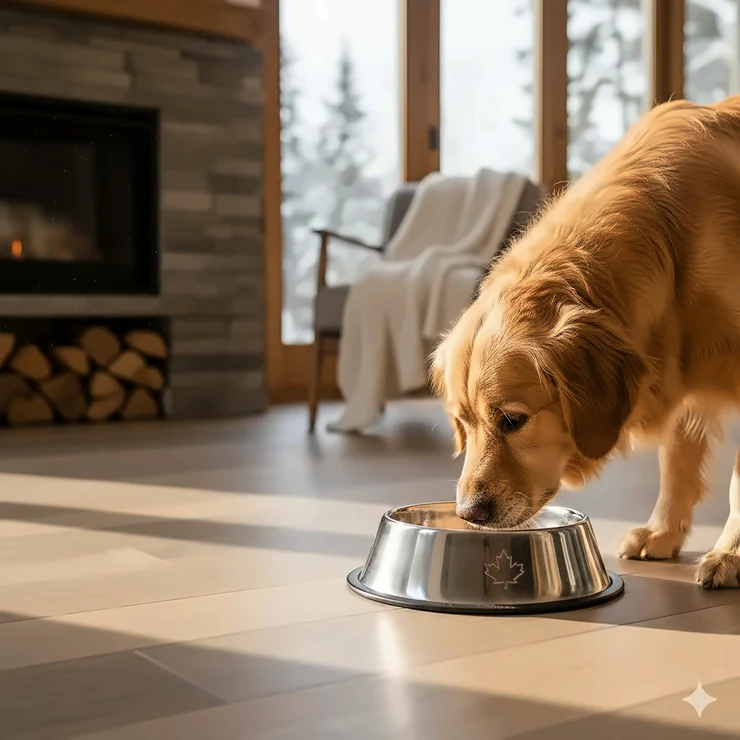
Here’s the thing I learned the hard way after my Golden Retriever developed a mysterious rash around his muzzle. The material for dog bowls isn’t just about aesthetics or price. It’s about your dog’s long-term health, bacterial growth prevention, and yes, even the environment. Whether you’re dealing with harsh Canadian winters where water freezes in outdoor bowls, or you’re just trying to avoid those pink stains on your dog’s nose from cheap plastic, choosing the right bowl material is crucial.
In this comprehensive guide, we’ll break down everything Canadian dog owners need to know about material for dog bowls in 2026. From stainless steel vs plastic dog bowl debates to ceramic vs metal dog bowl comparisons, we’re covering the safest dog bowl material options available on Amazon.ca, complete with real Canadian pricing, dog bowl safety considerations, BPA free dog bowls, and non-toxic pet dishes that won’t break the bank.
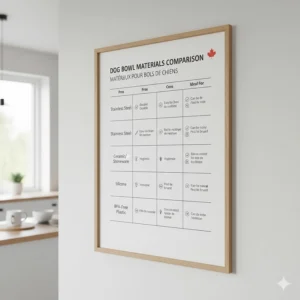
Quick Comparison Table: Dog Bowl Materials at a Glance
| Material | Durability | Safety Rating | Price Range (CAD) | Best For | Bacterial Resistance |
|---|---|---|---|---|---|
| Stainless Steel (304) | ⭐⭐⭐⭐⭐ | Excellent | $13-$55 | All dogs, outdoor use | Highest |
| Ceramic (Lead-Free) | ⭐⭐⭐⭐ | Very Good | $15-$38 | Indoor, heavy eaters | High |
| BPA-Free Plastic | ⭐⭐⭐ | Good | $10-$25 | Travel, lightweight needs | Medium |
| Glass (Tempered) | ⭐⭐⭐ | Good | $24-$37 | Small dogs, indoor | High |
| Silicone | ⭐⭐⭐ | Good | $15-$30 | Travel, collapsible storage | Medium |
| Bamboo/Wood | ⭐⭐ | Fair | $20-$45 | Eco-conscious, decorative | Low |
💬 Just one click – help others make better buying decisions too! 😊
Top 7 Material for Dog Bowls: Expert Analysis
1. GORILLA GRIP Stainless Steel Dog Bowl Set – Best Overall for Canadian Homes
This GORILLA GRIP Stainless Steel Dog Bowl Set dominates the Canadian market for good reason. Made from food-grade, rust-resistant stainless steel with a non-slip rubber base, it’s built for Canadian conditions. The set includes two bowls (holds 2 cups/16 fl oz each), perfect for both food and water.
Key Specifications:
- Material: 304 stainless steel (18/8 grade)
- Capacity: 2 cups (473 mL) per bowl
- Base: BPA-free silicone non-slip
Canadian Pricing: $24.99-$29.99 CAD
Canadian buyers on Amazon.ca consistently praise this bowl’s performance through harsh winters and hot summers. Many Toronto and Vancouver pet owners note the bowls don’t rust even after years of outdoor use. One Edmonton reviewer mentioned, “Survived two brutal Alberta winters without a scratch.”
✅ Pros:
- Dishwasher safe and easy to sanitize
- Won’t harbour bacteria like plastic
- Non-tip rubber base stays put
❌ Cons:
- Can be noisy on hard floors
- May feel cold in winter (room temperature water helps)
2. LE TAUCI Ceramic Slow Feeder Dog Bowl – Best Ceramic Option
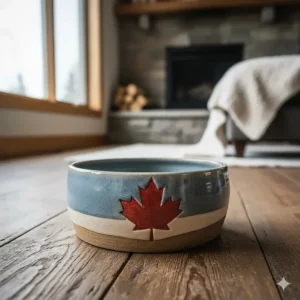
The LE TAUCI Ceramic Slow Feeder Dog Bowl combines the safest dog bowl material with functional slow-feeding design. This lead-free ceramic bowl features a maze pattern that extends meal time, perfect for dogs who inhale their food.
Key Specifications:
- Material: Lead-free, food-safe ceramic
- Capacity: 1.5 cups (350 mL)
- Design: Raised maze pattern for slow feeding
Canadian Pricing: $22.99-$28.99 CAD
Canadian reviewers across provinces love the weight – it simply doesn’t budge during meals. One British Columbia owner shared that their enthusiastic Labrador can’t flip this bowl, unlike lighter alternatives. The ceramic material keeps water cooler in summer, appreciated by Ontario pet parents.
✅ Pros:
- Weighted design prevents tipping
- Microwave and dishwasher safe
- Stylish patterns complement home decor
❌ Cons:
- Can chip if dropped on tile
- Heavier to transport
3. COMESOON Elevated Stainless Steel Dog Bowls – Best for Large Breeds
The COMESOON Elevated Stainless Steel Dog Bowls feature two thick 50oz stainless steel bowls with a height-adjustable stand. With four height settings (3.7″, 9.2″, 10.75″, 12.36″), it grows with your dog and accommodates breeds from Corgis to Great Danes.
Key Specifications:
- Material: Premium 304 stainless steel bowls
- Stand: BPA-free plastic with non-slip feet
- Capacity: 50 oz (1.5 L) per bowl
Canadian Pricing: $31.99-$37.99 CAD
This bestseller on Amazon.ca receives consistent 4.6-star ratings from Canadian buyers. Quebec pet owners appreciate the adjustable heights for senior dogs with arthritis, while Prairie dog parents note it’s sturdy enough for outdoor patios even in strong winds.
✅ Pros:
- Reduces neck strain for large dogs
- Adjustable as puppy grows
- Easy bowl removal for cleaning
❌ Cons:
- Stand requires assembly
- Takes up more floor space
4. Amazon Basics Stainless Steel Dog Bowl – Best Budget Choice
You can’t beat the Amazon Basics Stainless Steel Dog Bowl for value. This single bowl option delivers rust-resistant stainless steel at an entry-level price, making it perfect for multi-dog households across Canada.
Key Specifications:
- Material: Rust-resistant stainless steel
- Capacity: 35 oz (1 L)
- Base: Wide, slip-resistant rubber bottom
Canadian Pricing: $13.00-$17.99 CAD
With over 9,000 reviews averaging 4.6 stars, this is Amazon.ca’s bestseller in basic dog bowls. Nova Scotia buyers praise the durability-to-price ratio, while Saskatchewan owners stock up on multiples for rotating through the dishwasher. It’s frequently recommended by Canadian veterinarians for its food-safe construction.
✅ Pros:
- Incredibly affordable for quality stainless steel
- Amazon.ca Prime eligible for free shipping
- Multiple sizes available
❌ Cons:
- Basic design lacks decorative appeal
- Single bowl (not a set)
5. YETI Boomer 8 Dog Bowl – Premium Non-Toxic Option
The YETI Boomer 8 brings premium outdoor technology to dog feeding. This stainless steel bowl features double-wall, non-insulated construction with a non-slip ring, designed to withstand everything Canadian weather throws at it.
Key Specifications:
- Material: 18/8 food-grade stainless steel
- Capacity: 64 oz (1.9 L)
- Features: Puncture-resistant, rust-proof, dishwasher safe
Canadian Pricing: $54.99-$64.99 CAD
While pricier, Canadian outdoors enthusiasts and cottage owners swear by YETI quality. Alberta camping families report this bowl surviving bear encounters, while BC boaters appreciate its stability on rocking boats. It comes with YETI’s 5-year warranty, adding value for Canadian buyers concerned about long-term investment.
✅ Pros:
- Virtually indestructible construction
- Perfect for cottage country and camping
- Won’t retain odours or stains
❌ Cons:
- Premium price point
- Heavier than standard bowls

6. MateeyLife Slow Feeder Anti-Choking Bowl – Best BPA-Free Plastic
The MateeyLife Slow Feeder proves that not all plastic is bad. This BPA-free, food-grade plastic bowl features an anti-choking maze design that veterinarians across Canada recommend for fast eaters.
Key Specifications:
- Material: Food-grade, BPA-free, phthalate-free plastic
- Design: Interactive maze pattern
- Base: Non-slip silicone feet
Canadian Pricing: $17.99-$23.99 CAD
Manitoba and Saskatchewan owners appreciate this bowl’s performance in extreme temperatures where metal bowls can be uncomfortable. The plastic construction won’t freeze to your dog’s tongue in -30°C winters. Over 8,000 Canadian reviews average 4.5 stars, with many noting significant improvement in digestion issues.
✅ Pros:
- Lightweight for travel and transport
- Affordable slow-feeding solution
- Top-rack dishwasher safe
❌ Cons:
- Not as durable as stainless steel
- Requires replacement every 1-2 years
7. SWEEJAR Porcelain Elevated Ceramic Bowl Set – Best for Style-Conscious Owners
The SWEEJAR Porcelain Elevated Ceramic Bowl Set combines elegant design with functional bamboo elevation. This lead-free porcelain set includes two bowls on a removable bamboo stand, perfect for Canadian homes prioritizing aesthetics without sacrificing safety.
Key Specifications:
- Material: Lead-free porcelain (FDA-approved)
- Stand: Sustainable bamboo wood
- Capacity: 28 oz (850 mL) per bowl
Canadian Pricing: $28.99-$35.99 CAD
This bowl set consistently appears in Canadian home decor magazines. Montreal and Vancouver design-conscious pet owners love how it complements modern kitchens. The porcelain maintains temperature well – keeping water cool even during Ontario’s humid summers.
✅ Pros:
- Stunning aesthetic appeal
- Eco-friendly materials
- Elevated design aids digestion
❌ Cons:
- Bamboo stand requires hand washing
- Porcelain can break if mishandled
Understanding Different Material for Dog Bowls
Stainless Steel vs Plastic Dog Bowl: The Definitive Comparison
The stainless steel vs plastic dog bowl debate has dominated Canadian pet forums since the early 2000s. Here’s what current research tells us about this critical choice.
Safety Considerations
Stainless steel, specifically 304-grade (also called 18/8), is considered the safest dog bowl material by veterinarians worldwide. The Canadian Food Inspection Agency doesn’t directly regulate pet food bowls, but Health Canada guidelines on food-contact materials support using food-grade stainless steel for its non-porous, bacteria-resistant properties.
Plastic bowls, even BPA free dog bowls, present challenges. Research from the University of Missouri published in Science of The Total Environment (2017) found that dogs fed from canned food (lined with BPA) for just two weeks showed elevated BPA levels nearly triple their baseline. While this study focused on canned food, it highlights plastic’s potential to leach chemicals.
Durability in Canadian Climates
Canadian pet owners face unique challenges. In Yukon’s -40°C winters, plastic becomes brittle and cracks. Meanwhile, Saskatchewan summers reaching 35°C can cause cheaper plastics to warp. Stainless steel performs consistently across all Canadian temperature zones from Victoria’s mild coast to Iqaluit’s arctic conditions.
Cost Analysis for Canadian Buyers
Initially, plastic bowls ($10-$15 CAD) seem cheaper than stainless steel ($20-$35 CAD). However, when you factor in replacement frequency:
- Plastic bowls: Replace every 12-18 months = $40-$60 over 5 years
- Stainless steel bowls: Lifetime durability = $25-$35 one-time purchase
For Canadian households, stainless steel offers superior long-term value.
Ceramic vs Metal Dog Bowl: Which Suits Your Home?
The ceramic vs metal dog bowl choice often comes down to lifestyle and priorities. Both rank among the safest dog bowl material options, but each excels in different scenarios.
Temperature Retention Properties
Ceramic bowls offer superior insulation. During hot Calgary or Toronto summers, ceramic keeps water noticeably cooler for 2-3 hours longer than metal bowls. This matters for brachycephalic breeds (Bulldogs, Pugs) prone to overheating. Conversely, metal bowls don’t hold cold, which prevents ice crystals forming in water during Winnipeg or Ottawa winters when bowls sit near drafty doors.
Weight and Stability
Here’s where ceramic shines for enthusiastic eaters. A quality lead-free ceramic bowl weighing 800-1200g stays planted during meals, unlike lightweight stainless steel (200-400g) that enthusiastic retrievers can push across hardwood floors. Many Quebec and Ontario pet owners with large breeds prefer ceramic specifically for this stability.
Hygiene and Cleaning
Both materials are non-porous and resist bacterial growth when properly maintained. However, ceramic can develop micro-cracks over time that harbour bacteria – the National Sanitation Foundation names pet bowls as the fourth most germ-filled place in homes. Stainless steel’s seamless construction prevents this issue. Both are dishwasher-safe, though ceramic requires gentler handling.
Cost Comparison in Canada
Premium lead-free ceramic bowls run $25-$40 CAD on Amazon.ca, while comparable stainless steel options range $20-$35 CAD. The deciding factor isn’t price but rather your dog’s behaviour and your home setup.
Dog Bowl Safety: What Canadian Pet Parents Must Know
Health Canada and CFIA Regulations
Unlike pet food, which falls under the Canadian Food Inspection Agency’s import controls, pet food bowls aren’t specifically regulated in Canada. However, the Consumer Packaging and Labelling Act and Competition Act do govern product safety claims. This means manufacturers must ensure bowls labelled “food-safe” or “non-toxic” genuinely meet those standards.
The Pet Food Association of Canada recommends following Association of American Feed Control Officials (AAFCO) guidelines, which many Canadian manufacturers voluntarily adopt. For bowls, this means ensuring materials are food-grade and free from harmful substances like lead, cadmium, and BPA.
Identifying Toxic Materials
Lead in Ceramic Bowls
Some imported ceramic bowls, particularly those from countries with looser regulations, contain lead in decorative glazes. Lead poisoning in dogs causes vomiting, diarrhea, poor appetite, weakness, seizures, and even blindness. Always choose ceramic bowls explicitly labelled “lead-free” and sourced from reputable Canadian retailers or Amazon.ca sellers with verified certifications.
According to research from Environmental Science & Technology, even low levels of lead exposure cause neurological and organ damage in animals over time. The HealthyStuff.org database has analyzed thousands of products for heavy metal content – worth checking before purchasing ceramic bowls.
BPA and Phthalates in Plastic
Bisphenol A (BPA) is an endocrine disruptor found in many plastic products. While Canada took steps to reduce BPA use following the 2010 declaration of BPA as toxic under the Canadian Environmental Protection Act, older plastic bowls may still contain it. Studies show BPA mimics estrogen and may contribute to obesity, diabetes, cancers, and neurological problems in pets.
The Ecology Center’s 2017 study “Pets Beware” found 81% of dog food cans and many plastic pet bowls contained BPA-based coatings. For Canadian pet owners, this underscores the importance of choosing BPA free dog bowls specifically certified as such.
Galvanized Steel and Chrome-Plated Bowls
Not all metal is safe. Galvanized steel bowls are coated in zinc, which is toxic to dogs in high concentrations. Chrome-plated bowls can chip, rust, and leach iron oxide into food. Stick with genuine 304 stainless steel for safest dog bowl material in the metal category.
BPA Free Dog Bowls: Why It Matters for Canadian Pets
The Science Behind BPA Concerns
Bisphenol A has been controversial since the 2000s. Wikipedia notes that while BPA exhibits weak estrogenic activity (1000-2000 fold less potent than estradiol), its ubiquity means exposure is essentially lifelong. Public health agencies in Canada, the EU, US, Australia, and Japan reviewed BPA in the 2010s, generally finding normal exposure below risk levels. However, precautionary measures include banning BPA from baby bottles across Canada.
For pets, the concern is heightened. A 2016 University of Missouri study published in Science of The Total Environment found dogs consuming canned food for two weeks experienced BPA levels nearly tripling. This correlated with metabolic changes and gut microbiome alterations. While this specific study focused on canned food rather than bowls, it demonstrates dogs’ susceptibility to BPA exposure.
Best BPA-Free Alternatives in Canada
When shopping for BPA free dog bowls on Amazon.ca, prioritize:
- 304 Stainless Steel – Naturally BPA-free, non-reactive, and the gold standard
- Lead-Free Ceramic – Ensure glaze is certified food-safe and non-toxic
- Tempered Glass – BPA-free but requires careful handling
- Food-Grade Silicone – Look for FDA-approved, BPA-free certifications
- Certified BPA-Free Plastic – If choosing plastic, verify explicit BPA-free labelling
Canadian retailers like Homes Alive Pets and Global Pet Foods stock verified BPA-free options, while Amazon.ca allows filtering by “BPA-free” material specifications.
Non-Toxic Pet Dishes: Beyond BPA
Understanding Food-Safe Materials
“Non-toxic” means different things depending on material. For stainless steel, it means food-grade (304 or 18/8) rather than industrial grades. For ceramic, it means lead-free, cadmium-free glazes. For plastic, it encompasses BPA-free, phthalate-free, and PVC-free formulations.
The safest approach? Choose materials certified for human food contact. If a bowl is labelled “for pet use only,” question why it doesn’t meet human standards. Your dog deserves the same safety you expect for your own dishes.
Eco-Friendly Options for Conscious Canadians
Sustainability matters to Canadian pet owners. Environmentally-friendly material for dog bowls includes:
Stainless Steel: Highly recyclable. When your bowl eventually wears out (likely decades later), it can be fully recycled through Canadian metal recycling programs.
Bamboo/Wood: Renewable but challenging to sanitize. Wood is porous and can harbour bacteria. If choosing wood, ensure it’s treated with food-safe finishes and replace every 6-12 months.
Plant-Based Plastics: Some manufacturers now produce bowls from 50% plant-based materials, free from BPA and phthalates. Brands like Only Natural Pet offer these innovative solutions on Amazon.ca.
Recycled Materials: Several Canadian companies produce bowls from recycled ocean-bound plastic. While laudable environmentally, ensure they’re certified BPA-free and food-safe.
How to Choose Material for Dog Bowls: 7-Step Canadian Guide
Step 1: Assess Your Dog’s Size and Eating Habits
Large, enthusiastic eaters need heavier bowls (ceramic, thick stainless steel) that won’t slide. Toy breeds do fine with lighter options. Aggressive chewers require indestructible materials like 304 stainless steel – forget plastic or soft bamboo.
Step 2: Consider Your Climate Zone
Extreme Cold (Northern Canada, Prairies in Winter): Avoid pure metal bowls outdoors where tongues can stick. Use BPA-free plastic or bring bowls indoors. For heated outdoor bowls, choose stainless steel with built-in heating elements.
Humid Heat (Southern Ontario, BC Summers): Ceramic keeps water cooler longer. Stainless steel heats up quickly but is easier to clean.
Moderate Year-Round (Coastal BC, Parts of Ontario): Any material works. Choose based on other priorities.
Step 3: Evaluate Cleaning Requirements
All materials should be dishwasher-safe for proper sanitation. Veterinarians recommend daily washing to prevent bacterial growth. The National Sanitation Foundation found pet bowls rank fourth in household germ concentration – ahead of kitchen counters!
Stainless steel and ceramic handle daily dishwasher cycles indefinitely. Plastic degrades over time. Bamboo/wood cannot be dishwashed and require hand scrubbing, creating bacteria risks.
Step 4: Check for Canadian Safety Certifications
Look for:
- NSF Certified: Ensures no lead, mercury, cadmium, radiation, or toxins
- FDA Food-Grade: Approved for human food contact
- Lead-Free Certification: Essential for ceramic bowls
- BPA-Free/Phthalate-Free Labels: Required for plastic options
WeatherTech PetComfort Bowls, available through some Canadian retailers, hold the distinction of being NSF-certified – the only pet bowls meeting this human food-grade standard.
Step 5: Consider Special Health Needs
Allergies: Some dogs develop plastic dish nasal dermatitis – pink blotches on black noses from chemicals in plastic. Switch to stainless steel or ceramic.
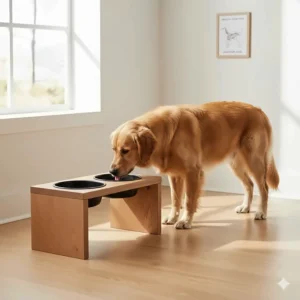
Arthritis/Joint Issues: Elevated bowls reduce neck strain. Choose raised stainless steel sets with height adjustment.
Fast Eaters/Bloat Risk: Slow-feeder bowls in ceramic or BPA-free plastic extend meal time, reducing bloat risk.
Step 6: Set Your Budget
Budget-Conscious ($15-25 CAD): Amazon Basics stainless steel or quality BPA-free plastic
Mid-Range ($25-40 CAD): Premium stainless steel sets, lead-free ceramic
Premium ($40-70 CAD): YETI, WeatherTech, or designer ceramic with bamboo stands
Remember: cheap plastic bowls requiring annual replacement cost more long-term than one quality stainless steel bowl.
Step 7: Read Canadian Customer Reviews
Amazon.ca reviews from fellow Canadians reveal real-world performance across provinces. Look for mentions of:
- Durability through Canadian winters
- Shipping times within Canada
- Performance with specific breeds
- Longevity (many reviewers update after months/years)
Maintaining Your Dog’s Bowls for Safety and Longevity
Daily Cleaning Protocol
Regardless of material for dog bowls, wash daily with hot soapy water or run through the dishwasher. Studies confirm bacteria like Salmonella, E. coli, and MRSA thrive in unwashed pet bowls. A University of Veterinary Medicine Vienna study found pets with continuous bacterial exposure showed significant health declines.
For Stainless Steel: Scrub with non-abrasive sponge, dishwasher safe on any cycle
For Ceramic: Use gentle dish soap, top rack dishwasher only
For Plastic: Hand wash or top rack only; replace when scratched
For Bamboo/Wood: Hand wash immediately after use, air dry completely
Monthly Deep Cleaning
Once monthly, sanitize bowls with:
- Mix 1 part white vinegar to 1 part water
- Soak bowl for 10-15 minutes
- Rinse thoroughly
- Run through dishwasher or hand wash
For stubborn stains on stainless steel, make a paste of baking soda and water.
When to Replace Different Materials
Stainless Steel (304): Can last 10-20+ years with proper care. Replace only if dented beyond recognition or if non-slip base deteriorates.
Ceramic: Replace immediately if chipped or cracked – these damages harbour bacteria. Otherwise, can last 5-10 years.
Plastic: Replace every 12-18 months, sooner if scratched or cloudy. Scratches trap bacteria that resist cleaning.
Bamboo/Wood: Replace every 6-12 months due to moisture damage and bacterial colonization.
Common Mistakes Canadian Pet Owners Make
Mistake #1: Assuming All Stainless Steel Is Equal
Not all stainless steel offers the same quality. Industrial-grade stainless (200-series) isn’t food-safe and can rust. Always confirm bowls use 304-grade (18/8) stainless steel. This specification should appear in product descriptions on Amazon.ca.
Mistake #2: Ignoring Bowl Height for Large Breeds
Breeds like Great Danes, German Shepherds, and Golden Retrievers benefit from elevated bowls that reduce neck and joint strain. While some debate exists about bloat risk, most veterinarians recommend elevation for senior dogs with arthritis. The COMESOON and similar adjustable sets on Amazon.ca solve this problem affordably.
Mistake #3: Choosing Pretty Over Practical
That adorable paw-print ceramic bowl might match your kitchen perfectly, but if it’s not lead-free certified, it’s dangerous. If it chips easily, it’s impractical. Canadian pet owners should prioritize safety and functionality, then find attractive options within those parameters.
Mistake #4: Leaving Outdoor Bowls Unattended
Manitoba and Alberta winters can cause water to freeze in minutes. Metal bowls conduct cold, risking tongue injuries. Either bring bowls indoors, use heated bowls designed for outdoor use, or switch to BPA-free plastic in winter months. Similarly, hot summer sun on black plastic bowls can leach chemicals.
Mistake #5: Not Reading Material Certifications
“BPA-free” plastics often contain BPS (bisphenol S) or BPF (bisphenol F), which emerging research suggests may be equally problematic. True non-toxic pet dishes should be certified food-grade and explicitly list all exclusions (BPA-free, phthalate-free, PVC-free, lead-free).
Material for Dog Bowls: Cost-Benefit Analysis for Canadians
Initial Investment vs. Lifetime Value
Let’s compare total cost of ownership over 10 years for a medium-sized dog in Canada:
Cheap Plastic Bowls ($12 CAD, replaced annually):
- Years 1-10: 10 × $12 = $120 CAD
- Additional costs: Potential vet bills from chemical exposure or bacterial infections
- Total: $120+ CAD
Quality Stainless Steel ($28 CAD, one-time purchase):
- Year 1: $28 CAD
- Years 2-10: $0 CAD
- Total: $28 CAD
Premium Ceramic ($35 CAD, replaced once after chip in year 6):
- Year 1: $35 CAD
- Year 6: $35 CAD
- Total: $70 CAD
The math clearly favours durable materials for long-term savings.
Hidden Costs of Unsafe Materials
Beyond replacement costs, unsafe materials carry risks:
Veterinary Bills: Lead poisoning, BPA-related hormonal issues, or plastic-induced allergies cost $200-$2,000+ CAD in vet visits, diagnostics, and treatment.
Environmental Costs: Canadians discard millions of plastic pet bowls annually. Choosing recyclable stainless steel reduces environmental impact, aligning with Canada’s sustainability goals.
Health Insurance Premiums: Some pet insurance companies (like Trupanion, Petsecure) may increase premiums if preventable environmental exposures cause chronic conditions.

Shopping for Material for Dog Bowls on Amazon.ca
Navigating Canadian Seller Ratings
Amazon.ca hosts both Canadian and international sellers. When purchasing dog bowl safety items, prioritize:
Canadian Sellers: Faster shipping, easier returns, compliance with Canadian consumer protection laws
Verified Reviews from Canadians: Look for reviews mentioning provinces, Canadian weather, or CAD pricing to ensure authenticity
Amazon’s Choice Badge: Indicates high ratings, competitive pricing, and fast Canadian shipping
Understanding Shipping Considerations
Most dog bowls on Amazon.ca qualify for free shipping with orders over $35 CAD. However, heavier ceramic and elevated sets may incur additional fees to remote areas (Territories, Northern communities). Budget an extra $15-30 CAD for shipping to Yukon, NWT, or Nunavut.
Prime members enjoy free two-day shipping on most bowls to major Canadian cities. During busy seasons (Christmas, Prime Day), order 1-2 weeks ahead to ensure delivery.
Return Policies and Warranty
Amazon.ca’s standard return policy allows 30 days for pet supplies. However, once used, some sellers may refuse returns due to hygiene concerns. Premium brands like YETI offer manufacturer warranties (5 years) covering defects. Always register products with manufacturers to activate Canadian warranties.
✨ Don’t Miss These Exclusive Deals!
🔍 Take your dog’s mealtime to the next level with these carefully selected products available in Canada. Click on any highlighted item to check current pricing and availability on Amazon.ca. These bowls will help you create authentic healthy mealtimes your furry friend will love!
Environmental Impact: Sustainable Material for Dog Bowls
Carbon Footprint Comparison
Stainless Steel: High initial production energy but fully recyclable and lasts decades. Carbon footprint amortized over 20 years makes it most sustainable option.
Ceramic: Energy-intensive kiln firing but natural clay sourcing. Moderately sustainable if long-lasting.
Plastic: Petroleum-based with significant environmental cost. Even “recycled plastic” bowls require energy-intensive processing.
Bamboo: Rapidly renewable but treatment chemicals and non-recyclability offset benefits.
Supporting Canadian Eco-Initiatives
Several Canadian companies prioritize sustainability:
BeOneBreed (Canadian company): Offers ceramic bowls on sustainable bamboo stands, manufactured with eco-conscious processes
Global Pet Foods (Canadian chain): Stocks bowls meeting strict Canadian environmental standards
EarthRated (Canadian brand): Known for eco-friendly pet products, recently introduced sustainable feeding accessories
Frequently Asked Questions
❓ What is the safest material for dog bowls in Canada?
❓ Are ceramic dog bowls safer than plastic in Canada?
❓ How much do quality dog bowls cost in Canada?
❓ Do dogs prefer stainless steel or ceramic bowls?
❓ How often should you replace dog bowls in Canada?
Conclusion: Making the Right Choice for Your Canadian Dog
After diving deep into material for dog bowls, the verdict for Canadian pet parents is clear: invest in quality once rather than replacing cheap options repeatedly. For most dogs and households, food-grade stainless steel (304/18-8) offers the optimal balance of safety, durability, affordability, and performance across Canada’s diverse climates.
However, the “best” material ultimately depends on your specific situation. Large breeds benefit from weighted ceramic bowls that won’t slide across floors. Northern Canadian homes might prefer BPA-free plastic for outdoor winter use. Style-conscious owners can select lead-free ceramic with bamboo stands. The key is understanding what matters most: your dog’s health, your budget, environmental impact, or aesthetic preferences.
Remember these critical points when shopping on Amazon.ca:
- Verify 304-grade stainless steel or certified lead-free ceramic
- Check for BPA-free, phthalate-free certifications on plastic
- Read Canadian customer reviews for real-world performance
- Calculate lifetime costs, not just initial purchase price
- Choose dishwasher-safe options for proper sanitation
The material for dog bowls you select today impacts your dog’s health for years to come. Whether you choose the budget-friendly Amazon Basics Stainless Steel Dog Bowl at $13 CAD, the versatile GORILLA GRIP set at $25 CAD, or the premium YETI Boomer at $55 CAD, prioritize safety over savings.
Your furry friend depends on you to make informed decisions. With this comprehensive guide, you’re now equipped to choose the safest dog bowl material for your Canadian home, ensuring healthy, happy mealtimes for years ahead.
Recommended for You
- 7 Best Automatic Dog Feeders vs Regular Bowls in Canada 2026
- 7 Best Extra Large Dog Bowls Canada 2026
- 7 Best Car Dog Water Bowls Canada 2026 – No Spill Solutions
Disclaimer: This article contains affiliate links to Amazon.ca. If you purchase products through these links, we may earn a small commission at no additional cost to you.
✨ Found this helpful? Share it with your friends! 💬🤗
