
In This Article
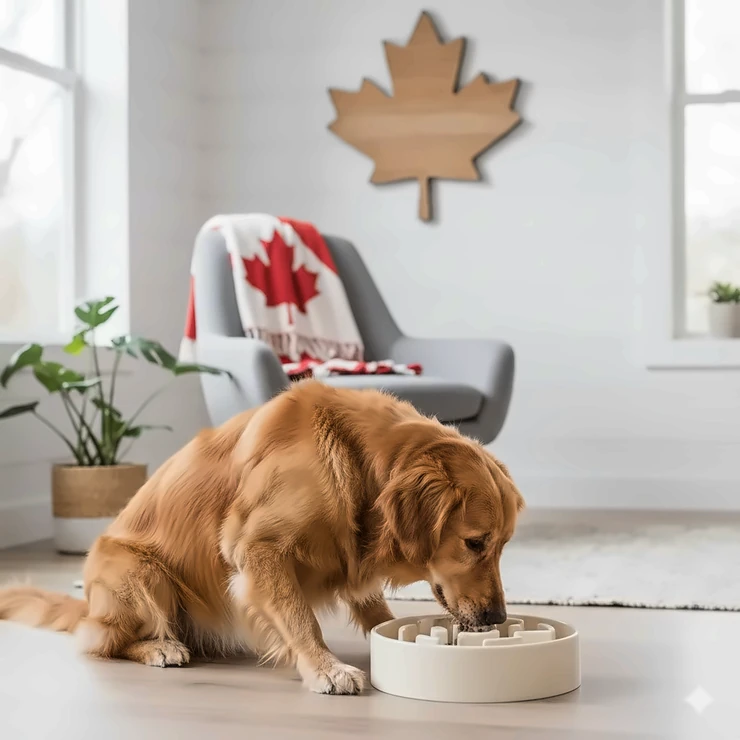
Does your furry friend inhale their kibble like it’s their last meal? You’re not alone. Thousands of Canadian dog owners watch in horror as their pups gobble down food in seconds flat. Here’s the unsettling truth: this seemingly harmless habit could be putting your dog’s life at risk.
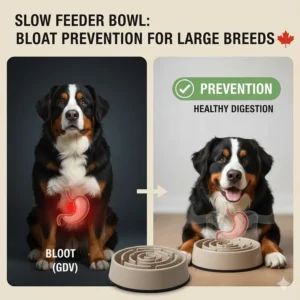
Gastric dilatation and volvulus (GDV), commonly known as bloat, is a life-threatening condition that primarily affects large, deep-chested dogs but can strike any breed. Studies show that dogs weighing over 45 kg (100 pounds) have approximately a 20% risk of experiencing bloat during their lifetime. The culprit? Rapid eating combined with swallowing excessive air.
A slow feeder dog bowl isn’t just another pet accessory—it’s a potentially life-saving investment. These innovative bowls feature maze-like patterns and obstacles that force dogs to eat at a more natural, healthier pace. The result? Better digestion, reduced risk of choking, less vomiting, and most importantly, protection against the deadly bloat that sends thousands of Canadian dogs to emergency veterinary clinics each year.
Whether you have an eager Great Dane in Toronto, an anxious Labrador in Vancouver, or a food-obsessed French Bulldog in Montreal, this comprehensive guide will help you find the perfect slow feeder bowl available on Amazon.ca.
Quick Comparison Table: Top Slow Feeder Dog Bowls
| Product | Material | Capacity | Best For | Price (CAD) | Rating |
|---|---|---|---|---|---|
| Outward Hound Fun Feeder | BPA-Free Plastic | 2-4 Cups | Medium-Large Dogs | $18-$28 | 4.7/5 |
| Podazz Silicone Honeycomb | 100% Silicone | 3 Cups | All Breeds | $22-$27 | 4.4/5 |
| Green Boho Slowdown Bowl | Food-Grade Silicone | 2.5 Cups | Small-Medium Dogs | $35-$42 | 4.8/5 |
| AXEFUN Silicone Puzzle | Premium Silicone | 3 Cups | All Sizes | $24-$30 | 4.5/5 |
| Fluff Trough Elevated | Silicone + Stand | 2 Cups | Flat-Faced Breeds | $45-$55 | 4.6/5 |
| Neater Pet Stainless Steel | Stainless Steel | 3 Cups | Large Breeds | $32-$40 | 4.7/5 |
| LE TAUCI Ceramic Bowl | Ceramic | 1.5 Cups | Small Dogs | $28-$35 | 4.6/5 |
💬 Just one click – help others make better buying decisions too!😊
Top 7 Slow Feeder Dog Bowls: Expert Analysis
1. Outward Hound Fun Feeder Slo Bowl
The Outward Hound Fun Feeder dominates the Canadian market for good reason. Available in small (3/4 cup), medium (2 cups), and large (4 cups) sizes, this bowl features meal-lengthening ridges and challenging maze patterns that can extend feeding time up to 10 times.
Key Specifications:
- Multiple maze complexity levels: Slow, Slower, Slowest
- Non-slip base prevents sliding during meals
- Top-rack dishwasher safe for easy cleaning
Price Range: $18-$28 CAD depending on size and pattern
Canadian pet owners rave about how this bowl transformed mealtime for their fast-eating dogs. One Vancouver customer reported their Golden Retriever’s eating time increased from 30 seconds to over 5 minutes, completely eliminating post-meal vomiting.
✅ Pros:
- Proven to slow eating by up to 10x
- Available in three size options for all breeds
- BPA, PVC, and phthalate-free materials
❌ Cons:
- Plastic construction may not appeal to all owners
- Deeper grooves require thorough cleaning
2. Podazz Silicone Honeycomb Slow Feeder
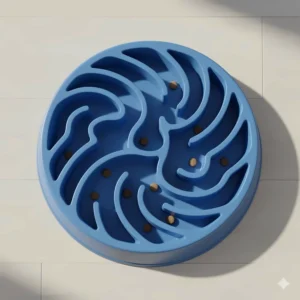
This Podazz Silicone Bowl brings a unique hexagonal design to the Canadian market. The 100% silicone construction makes it incredibly durable while remaining gentle on your dog’s nose and tongue.
Key Specifications:
- Diameter: 21 cm (8.26 inches)
- Strong suction cup base
- Available in orange, green, and blue
Price Range: $22-$27 CAD
Canadian customers particularly appreciate the powerful suction cup that keeps the bowl firmly in place, even with enthusiastic eaters. The soft silicone surface is especially beneficial for senior dogs or breeds with sensitive mouths.
✅ Pros:
- Environmentally friendly, non-toxic silicone
- Extremely durable and reusable
- Flat, smooth surface prevents accidental injuries
❌ Cons:
- Not microwave safe
- Requires smooth floors for suction effectiveness
3. Green Boho Slowdown Bowl
The Green Boho Slowdown Bowl brings contemporary design to functional pet products. This premium silicone slow feeder bowl combines effectiveness with aesthetic appeal, making it a favourite among style-conscious Canadian pet owners.
Key Specifications:
- Modern boho-inspired pattern
- Food-grade silicone construction
- Innovative suction technology
Price Range: $35-$42 CAD
Toronto and Montreal pet owners particularly love how this bowl complements modern home décor while delivering exceptional slow-feeding results. The terracotta and charcoal colour options move beyond traditional pet bowl aesthetics.
✅ Pros:
- Superior suction creates automatic seal to floor
- Dishwasher safe for effortless maintenance
- Stylish design fits contemporary interiors
❌ Cons:
- Higher price point than plastic alternatives
- May be too shallow for very large breeds
4. AXEFUN Silicone Puzzle Bowl
The AXEFUN Silicone Bowl features an intricate maze-like pattern specifically designed to reduce eating speed while promoting better digestion. The pumpkin colour adds a playful touch Canadian dogs seem to enjoy.
Key Specifications:
- Dimensions: 19 cm (7.5 inches) across, 3.5 cm (1.4 inches) tall
- Premium food-grade silicone
- Suction cup technology
Price Range: $24-$30 CAD
Canadian veterinarians have noticed fewer digestive complaints in dogs using this style of bowl. The maze pattern forces dogs to work for their food, which also provides valuable mental stimulation.
✅ Pros:
- Suitable for all dog sizes and breeds
- Lightweight and portable for travel
- Reduces anxiety through feeding enrichment
❌ Cons:
- Intricate pattern requires thorough cleaning
- May be challenging for brachycephalic breeds
5. Fluff Trough Elevated Slow Feeder
Perfect for flat-faced breeds like Pugs, French Bulldogs, and Boston Terriers, the Fluff Trough Elevated Bowl combines slow-feeding benefits with ergonomic elevation. This addresses the unique needs of brachycephalic dogs across Canada.
Key Specifications:
- Base height: 13 cm (5 inches) from ground
- Removable silicone insert
- Holds up to 2 cups of food
Price Range: $45-$55 CAD
Owners of flat-faced breeds in Calgary and Edmonton report dramatic improvements in their dogs’ ability to eat comfortably without excessive snorting or breathing difficulties. The elevated design minimizes neck strain during meals.
✅ Pros:
- Vet-approved design for flat-faced breeds
- Both pieces dishwasher safe
- Non-slip feet prevent movement
❌ Cons:
- More expensive than standard bowls
- Takes up more floor space
6. Neater Pet Brands Stainless Steel Slow Feeder
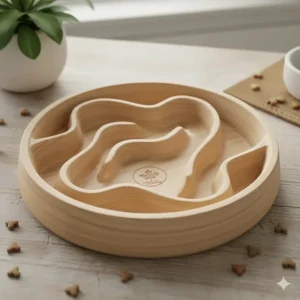
For Canadian pet owners who prefer metal bowls, the Neater Pet Stainless Steel Slow Feeder delivers durability and hygiene. The solid centrpiece forces dogs to eat around the edges, naturally slowing consumption.
Key Specifications:
- Diameter: 22.5 cm, Height: 7 cm
- Rust-resistant stainless steel
- Designed for medium to large dogs
Price Range: $32-$40 CAD
Maritime and northern Canadian dog owners particularly appreciate stainless steel’s resistance to extreme temperatures and its longevity in harsh climates. The metal construction withstands even the most determined chewers.
✅ Pros:
- Extremely durable and long-lasting
- Easy to clean and sanitize
- Won’t harbour bacteria like plastic
❌ Cons:
- Can be noisy on hard floors
- No non-slip base included
7. LE TAUCI Ceramic Slow Feeder Bowl
The LE TAUCI Ceramic Bowl brings elegance and functionality to small dog feeding. The 1.5-cup capacity is perfect for toy and small breeds, while the ceramic construction prevents “plastic nose” discolouration.
Key Specifications:
- Capacity: 1.5 cups (350 ml)
- High-quality ceramic with maze pattern
- Available in multiple colours including purple
Price Range: $28-$35 CAD
Small dog owners across Canada appreciate how this ceramic option prevents the skin irritation some dogs develop from plastic bowls. The weight prevents tipping, even with enthusiastic eaters.
✅ Pros:
- Heavy construction prevents tipping
- Microwave and dishwasher safe
- Elegant appearance
❌ Cons:
- Can break if dropped
- Limited size options for larger dogs
✨ Don’t Miss These Exclusive Deals!
🔍 Take your dog’s mealtime health to the next level with these carefully selected slow feeder bowls available in Canada. Click on any highlighted product above to check current pricing and availability on Amazon.ca. These bowls will help you prevent bloat and improve your dog’s digestive health!
Understanding Canine Bloat: Why Slow Feeding Matters
What Is Bloat (GDV)?
Gastric dilatation-volvulus (GDV) occurs when the stomach fills with gas and then twists on itself, blocking both its entrance and exit. This twisting restricts blood flow to the stomach, leading to tissue damage and potentially fatal complications. The condition develops rapidly and requires immediate emergency veterinary intervention.
According to research from Cornell University College of Veterinary Medicine, the distended stomach can compress major blood vessels in the abdomen, reducing blood return to the heart and causing systemic shock. Without treatment, death can occur within hours.
High-Risk Breeds in Canada
While any dog can develop bloat, certain breeds face elevated risk:
Giant Breeds:
- Great Danes (up to 50% lifetime risk)
- Saint Bernards
- Irish Wolfhounds
Large, Deep-Chested Breeds:
- German Shepherds
- Standard Poodles
- Weimaraners
- Doberman Pinschers
- Labrador Retrievers
Surprising At-Risk Breeds:
- Basset Hounds (despite shorter stature)
- Dachshunds
- Even small breeds under stress
Risk Factors Beyond Breed
Recent studies identified several modifiable risk factors including rapid eating, feeding only one meal daily, elevated stress levels, and exercise immediately after eating. Dogs described as anxious or fearful showed higher GDV rates than calm, relaxed dogs.
Canadian veterinarians increasingly recommend slow feeder bowls as a simple, cost-effective preventative measure. While prophylactic gastropexy (surgical stomach tacking) remains the most effective prevention, slow feeders address the rapid eating component that contributes to gas accumulation.
How Slow Feeder Bowls Improve Dog Digestion
The Science Behind Slower Eating
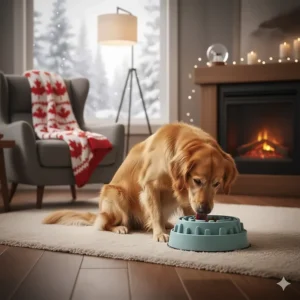
When dogs eat rapidly, they swallow excessive air along with their food. This aerophagia contributes to gas buildup in the stomach. Slow feeder bowls force dogs to take smaller bites and chew more thoroughly, dramatically reducing air intake.
Additionally, slower eating allows digestive enzymes in saliva more time to begin breaking down food. This head start on digestion reduces the workload on the stomach and intestines, leading to better nutrient absorption and fewer digestive upsets.
Benefits Beyond Bloat Prevention
Improved Digestion: Dogs who eat slowly produce more saliva, which contains enzymes that initiate carbohydrate breakdown. This reduces strain on the pancreas and improves overall digestive efficiency.
Weight Management: Slower eating gives satiety signals time to reach the brain. Dogs feel fuller on the same portion, reducing begging and helping maintain healthy weight—particularly important as Canadian dogs face rising obesity rates.
Mental Stimulation: Puzzle-style slow feeders provide cognitive enrichment during meals. This is especially valuable for high-energy breeds during Canada’s long winter months when outdoor activity may be limited.
Reduced Vomiting: Fast eaters frequently vomit shortly after meals. Slow feeders dramatically reduce this messy, uncomfortable problem that concerns many Canadian pet owners.
How to Choose the Right Slow Feeder for Your Canadian Dog
Consider Your Dog’s Size and Breed
Small Dogs (Under 10 kg): Look for shallow bowls with smaller ridges. The LE TAUCI Ceramic or small Outward Hound options work well. Ensure the puzzle isn’t so complex that your small dog becomes frustrated.
Medium Dogs (10-25 kg): Most standard slow feeders suit medium breeds perfectly. The Green Boho Slowdown Bowl or medium Outward Hound provide ideal challenge levels without excessive difficulty.
Large Dogs (25-45 kg): Large capacity bowls with deeper mazes prevent these powerful eaters from simply tipping the bowl. Stainless steel options offer durability against determined feeders.
Giant Breeds (Over 45 kg): The largest Outward Hound or stainless steel options accommodate giant breed portions. Some owners of Great Danes or Mastiffs successfully use two medium bowls to provide adequate food volume while maintaining slow-eating benefits.
Material Considerations for Canadian Climate
Silicone:
- Pros: Lightweight, portable, dishwasher safe, won’t crack in cold
- Cons: Can develop odours over time, may stain with certain foods
- Best for: Active families who travel, dogs with sensitive mouths
Plastic (BPA-Free):
- Pros: Affordable, lightweight, widest variety of patterns
- Cons: Can harbour bacteria in scratches, may cause “plastic nose”
- Best for: Budget-conscious owners, trying slow feeders for first time
Stainless Steel:
- Pros: Extremely durable, hygienic, resists extreme temperatures
- Cons: Can be noisy, may slide without rubber base
- Best for: Aggressive chewers, multi-dog households, cold climates
Ceramic:
- Pros: Heavy (won’t tip), stylish, prevents skin irritation
- Cons: Can break if dropped, limited size range
- Best for: Small to medium calm dogs, indoor feeding stations
Pattern Complexity
Start with simpler patterns and progress to more complex mazes if needed. A bowl that’s too challenging may frustrate your dog and discourage eating. Conversely, a pattern that’s too simple won’t effectively slow fast eaters.
Watch your dog during their first few meals with a new slow feeder. Ideal eating time is 5-10 minutes for most dogs. If they finish in under 3 minutes, consider a more complex pattern. If they seem frustrated after 15 minutes, try something simpler.
Introducing Your Dog to a Slow Feeder Bowl
The Gradual Approach
Don’t simply swap bowls and expect immediate success. Many Canadian dogs initially resist slow feeders, especially enthusiastic eaters accustomed to gulping meals in seconds.
Day 1-2: Place the slow feeder beside their regular bowl with a few high-value treats inside. Let them explore and discover food comes from the new bowl.
Day 3-4: Put a small portion (1/4 of meal) in the slow feeder, remainder in regular bowl. This builds positive associations without frustration.
Day 5-6: Increase to half the meal in the slow feeder, half in regular bowl. Monitor stress levels and eating behaviour.
Day 7+: Transition fully to the slow feeder. Stay nearby for first few meals to provide encouragement and ensure they’re eating adequately.
Troubleshooting Common Issues
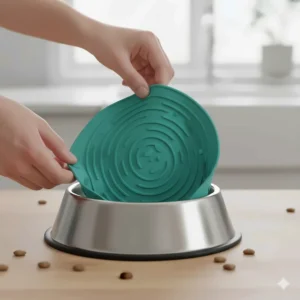
Problem: Dog Flips the Bowl Solution: Choose a bowl with suction cups or heavy construction. The Podazz honeycomb or ceramic options work well. Place bowl in corner to prevent flipping leverage.
Problem: Dog Gives Up Solution: Start with easier patterns. Smear a tiny amount of peanut butter or wet food in grooves to encourage licking and exploration. Never let your dog go hungry—if they truly can’t figure it out after 20 minutes, offer food in regular bowl and try easier feeder.
Problem: Takes Too Long to Eat Solution: Your pattern may be too complex. Try a simpler maze or larger grooves. Some nervous dogs need months to build confidence.
Problem: Makes Eating Too Easy Solution: Progress to more complex patterns. The Outward Hound line offers three difficulty levels, letting you adjust as your dog adapts.
Canadian Regulations and Safety Standards
Health Canada Pet Product Guidelines
While Health Canada doesn’t specifically regulate pet bowls, Canadian food contact materials regulations apply to any product contacting consumable items. All recommended bowls meet these safety standards.
Look for products explicitly stating they’re:
- BPA-free
- Phthalate-free
- Lead-free
- Food-grade materials
Cleaning and Maintenance for Canadian Households
Cold Canadian winters mean many dogs eat indoors year-round. Proper cleaning prevents bacterial growth:
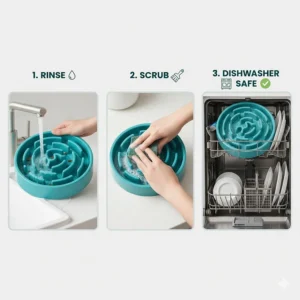
Daily: Rinse bowl with hot water after each meal
Weekly: Dishwasher cycle (top rack for plastic/silicone) or hand wash with pet-safe detergent
Monthly: Deep clean with vinegar solution (1:1 water:vinegar) for 10 minutes, rinse thoroughly
Hard water prevalent in many Canadian municipalities can leave mineral deposits. Soak in vinegar solution quarterly to remove buildup.
Special Considerations for Canadian Dog Owners
Multi-Dog Households
If you have multiple dogs, feed them separately with individual slow feeders. This prevents resource guarding and ensures each dog eats at their own pace. Many Canadian families successfully use baby gates or separate rooms during mealtimes.
For dogs with significant size differences, timing meals 10 minutes apart prevents the larger dog from finishing early and intimidating smaller dogs still eating.
Cold Weather Feeding
During harsh Canadian winters, some owners feed dogs in garages or mudrooms. If feeding in unheated spaces:
- Warm food slightly (test temperature first)
- Consider stainless steel bowls that won’t crack in freezing temperatures
- Remove bowls immediately after eating to prevent food freezing in grooves
- Avoid silicone bowls in extreme cold as they can become rigid
Travel and Camping
Many Canadians camp with their dogs during summer months. Collapsible silicone slow feeders work excellently for travel. The V-Fyee collapsible option available on Amazon.ca folds flat and includes a storage mat—perfect for road trips to Banff or camping in Algonquin.
Maintaining Your Slow Feeder Bowl
Extending Product Lifespan
Plastic Bowls: Avoid harsh scrubbing that creates scratches where bacteria colonize. Replace every 12-18 months or when visible wear appears. Sun exposure can degrade plastic—store indoors.
Silicone Bowls: Can last 3-5 years with proper care. Remove promptly from dishwasher to prevent warping. If odours develop, soak in baking soda solution overnight.
Stainless Steel: Essentially lasts forever with minimal maintenance. Polish occasionally with stainless steel cleaner to maintain appearance. Check welds periodically for separation.
Ceramic: Can last lifetime if not dropped. Inspect quarterly for chips or cracks that could harbour bacteria or injure your dog’s tongue. Discontinue use if damaged.
When to Replace
Replace slow feeders when you notice:
- Cracks or chips in any material
- Persistent odours despite thorough cleaning
- Significant scratches in plastic (bacterial harbour)
- Weakened suction cups
- Any structural damage
Canadian dollar saved by reusing damaged bowls isn’t worth potential health risks to your dog.
Addressing Common Concerns
“Won’t My Dog Get Frustrated?”
Initial frustration is normal and actually beneficial—it provides mental stimulation. However, excessive frustration defeats the purpose. Start with easier patterns and progress gradually. Most dogs adapt within a week.
If your dog shows signs of genuine distress (whining, pacing, refusing to eat for extended periods), backtrack to an easier bowl or slower introduction schedule.
“Are Elevated Slow Feeders Better?”
Current veterinary research suggests elevated feeding may actually increase GDV risk in some dogs, contrary to earlier beliefs. The Fluff Trough is an exception—designed specifically for flat-faced breeds where elevation aids breathing during eating.
For most dogs, floor-level feeding is recommended. Consult your veterinarian if your dog has specific medical conditions like megaesophagus that might benefit from elevation.
“Can Slow Feeders Work with Raw or Wet Food?”
Absolutely! While most marketing shows kibble, slow feeders work excellently with:
- Raw food diets
- Wet canned food
- Mixed feeding
- Frozen treats (excellent for hot Canadian summers)
Wider-grooved patterns work better for wet foods. The Outward Hound “Slow” level or honeycomb patterns prevent sticky foods from becoming too difficult to access.

DIY Alternatives vs. Commercial Slow Feeders
The Muffin Tin Method
Some Canadian pet owners place kibble in muffin tins or arrange tennis balls in regular bowls. While these creative solutions can slow eating, they lack the engineered design of purpose-built slow feeders.
Pros of DIY:
- Use items you already own
- No additional cost
- Can adjust difficulty easily
Cons of DIY:
- Tennis balls pose choking hazard
- Muffin tins too shallow for many dogs
- Not designed for pet use (materials, stability)
- Lack of suction/anti-slip features
Given that quality slow feeders cost $20-$45 CAD with years of use, purpose-built options offer better value and safety.
Real Canadian Dog Owner Success Stories
Bloat Prevention in Action
Jennifer from Halifax credits a slow feeder with potentially saving her German Shepherd’s life: “Max inhaled his food in under 20 seconds, then would drink massive amounts of water and pant heavily. After two scary bloat scares and expensive vet visits, we tried the Outward Hound. He now takes 8 minutes to eat, drinks normally afterward, and we haven’t had another emergency in two years.”
Weight Management Success
The Thompson family in Kelowna used slow feeders to help their overweight Labrador slim down: “Buddy was 15 pounds overweight and always begging. The slow feeder helped him feel satisfied on smaller portions. Combined with regular exercise, he lost the excess weight over six months and maintains it easily now.”
Anxiety Reduction
Sarah from Montreal found an unexpected benefit: “My rescue Beagle had severe food anxiety—she’d guard her bowl aggressively. The slow feeder forced her to focus on the puzzle instead of worrying about other dogs. Her anxiety decreased dramatically, and she’s much calmer overall.”
FAQ: Slow Feeder Dog Bowls in Canada
❓ How do I know if my dog eats too fast?
❓ What size slow feeder bowl do I need for my dog in Canada?
❓ Can puppies use slow feeder bowls?
❓ How long should it take my dog to eat from a slow feeder?
❓ Are slow feeder bowls dishwasher safe in Canada?
Conclusion: Protecting Your Canadian Dog’s Health
Investing in a slow feeder dog bowl represents one of the simplest, most cost-effective ways to protect your dog’s health. With bloat causing mortality rates of 10-45% even with treatment, prevention is paramount—especially for at-risk breeds popular across Canada.
The seven bowls reviewed here represent the best options currently available to Canadian pet owners in 2026. Whether you choose the budget-friendly Outward Hound, the stylish Green Boho, or the specialized Fluff Trough for flat-faced breeds, you’re taking a proactive step toward your dog’s wellbeing.
Remember that slow feeder bowls work best as part of a comprehensive approach to canine health. Combine slow feeding with appropriate portion control, regular exercise suited to Canadian climates, stress reduction, and regular veterinary checkups. Consider discussing prophylactic gastropexy with your veterinarian if you own high-risk breeds.
The investment of $20-$55 CAD for a quality slow feeder bowl pales in comparison to emergency veterinary costs (often $3,000-$8,000 CAD for GDV treatment) or the heartbreak of losing a beloved family member to a preventable condition.
Don’t wait for warning signs. Order your slow feeder bowl today and give your Canadian dog the gift of healthier, safer mealtimes for years to come.
Recommended for You
- 7 Best Elevated Dog Bowls for Large Dogs Canada 2026
- 7 Best Automatic Dog Feeders Canada 2026
- 7 Best Heated Dog Water Bowls Canada 2026: Top Winter Picks
Disclaimer: This article contains affiliate links to Amazon.ca. If you purchase products through these links, we may earn a small commission at no additional cost to you.
✨ Found this helpful? Share it with your friends! 💬🤗
