
In This Article
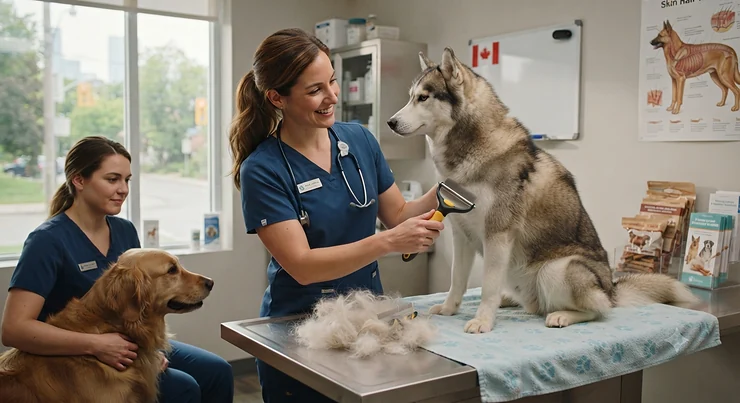
Meta Description: Compare 7 top-rated deshedding tool for double-coated dogs picks for 2026 — Huskies, thick fur, shedding season. Find your match today!If you own a double-coated dog, you already know the drill: one minute your living room looks normal, the next it looks like a snowstorm hit the couch. Finding the right deshedding tool for double-coated dogs isn’t about vanity — it’s about damage control, coat health, and honestly, your own sanity during peak shedding season. Double coats are a marvel of natural engineering, insulating dogs like Huskies, Golden Retrievers, and German Shepherds through brutal Canadian winters and humid summer swings. But that same insulation means a dense, woolly undercoat that has to go somewhere twice a year, and “somewhere” is usually your kitchen floor.
This guide skips the fluff (pun very much intended) and gets straight into what actually works. We researched real products sold in Canada, cross-referenced specs against aggregated review sentiment, and built out honest, practical comparisons — not a repackaged product listing. You’ll find seven genuinely different tools spanning budget, mid-range, and premium price points, plus the reasoning to match each one to your dog’s coat, your grooming schedule, and your patience level. Whether you’re wrangling a Husky’s twice-yearly coat blow or trying to keep a thick-coated mixed breed comfortable through a Canadian shedding season, there’s a tool below built for the job. As Wikipedia’s overview of dog coat structure explains, dogs with both an undercoat and a top coat are classified as having a double coat, distinct from single-coated breeds that lack that dense insulating underlayer — which is exactly why standard brushes so often fail these dogs; they only ever touch the surface.
By the end of this article, you’ll know exactly which deshedding tool fits your situation, what “undercoat blowout” actually means for your grooming routine, and how to avoid the mistakes that turn a good tool into an ineffective (or skin-irritating) one.
Quick Comparison Table
| Product | Best For | Price Range (CAD) | Coat Type |
|---|---|---|---|
| FURminator deShedding Tool | Heaviest shedders, thick undercoats | C$45–C$65 | Double coats, long or short |
| Hertzko Self-Cleaning Slicker Brush | Sensitive skin, daily maintenance | C$20–C$30 | All coat types |
| Chris Christensen Big G Slicker Brush | Show-quality finishing | C$70–C$100 | Long, dense double coats |
| Coastal Pet Safari Shedding Blade | Budget-conscious owners | C$15–C$25 | Short to medium double coats |
| SleekEZ Original deShedding Tool | Multi-pet households | C$35–C$50 | Short, medium, and long coats |
| EquiGroomer 5-Inch Deshedding Brush | Blade-anxious first-timers | C$30–C$45 | Thick and dense undercoats |
| Maxpower Planet Undercoat Rake & Comb Set | Beginners wanting a full kit | C$20–C$30 | Long-haired, heavily undercoated breeds |
Looking at the table, the pattern that jumps out is that price doesn’t map neatly to effectiveness — the Coastal Pet Safari Shedding Blade sits at the bottom of the price range but tackles the same undercoat-removal job as pricier options, just with less finesse and comfort. The Chris Christensen Big G Slicker Brush commands a premium not because it removes more hair per stroke, but because it’s built for the volume and precision that professional groomers need session after session. If you’re outfitting a first-time double-coat household, the Maxpower Planet Undercoat Rake & Comb Set gives you two tools for roughly the price of one mid-range option, which matters when you’re still figuring out what your dog’s coat actually needs
💬 Just one click — help others make better buying decisions too!😊
Found a match already? Every click helps you compare current pricing before you commit — take a peek!
Top 7 Deshedding Tools for Double-Coated Dogs: Expert Analysis
Choosing from hundreds of near-identical listings is exhausting, so we narrowed the field to seven real, purchasable tools that cover every budget tier and coat density. Each one earned its spot for a specific reason — read the “who it’s for” reasoning before you buy, because the wrong tool on the wrong coat is how skin irritation and wasted money happen.
1. FURminator deShedding Tool for Large Dogs — best overall for heavy-shedding breeds
The FURminator deShedding Tool built its reputation on one simple mechanism: a row of fine, curved stainless-steel teeth that reach past the topcoat to grab the woolly undercoat without hacking at the guard hairs on top. That distinction matters more than most buyers realize — it’s the difference between deshedding and just cutting hair shorter. The large long-hair version is sized for dogs between 51 and 90 lbs with coats longer than 2 inches, and the curved edge is designed to follow your dog’s body contour rather than dig in at awkward angles. A push-button FURejector clears the collected fur without you having to touch a clump of hair mid-session, which sounds minor until you’ve done this by hand a dozen times. Based on the spec comparison, this is the tool with the most raw pulling power in this list, which is exactly why groomers warn against overuse. Reviewers consistently note dramatic first-use results — piles of undercoat coming out in a single pass — but also flag that overly frequent use on the same spot can leave the coat looking patchy or feeling thin, especially on lighter-undercoated breeds. This is a once-or-twice-weekly tool during blowout season, not a daily brush.
Pros:
- ✅ Removes dense undercoat fast, even on neglected coats
- ✅ FURejector button speeds up cleanup between passes
- ✅ Curved edge reduces skin snagging on rounded areas
Cons:
- ❌ Overuse can thin the coat or irritate sensitive skin
- ❌ Not ideal as a daily, gentle-maintenance brush
Priced in the C$45–C$65 range at the time of research, it’s a mid-tier investment that pays for itself the first time it saves you a vacuum bag.
2. Hertzko Self-Cleaning Slicker Brush — gentlest daily option for sensitive skin
Where the FURminator is a scalpel, the Hertzko Self-Cleaning Slicker Brush is more of a daily-use paintbrush. Fine, angled stainless-steel pins sit close together to catch loose undercoat and surface tangles without the aggressive bite of a rake-style tool, and a retraction button pulls the bristles flush so you can wipe the collected fur away in seconds. What most buyers overlook about slicker brushes is that they’re doing double duty — they’re pulling loose fur while also distributing natural skin oils along the coat, something a pure deshedding rake can’t do as well. That combination makes it a genuinely good “every day or two” option for maintaining a double coat between the more intense deshedding sessions. Reviewers consistently report that it’s comfortable for dogs who dislike more aggressive tools, and the retractable-bristle design gets specific praise for making cleanup mess-free compared to standard slicker brushes. On the flip side, it’s noticeably less effective during peak coat-blow weeks — it simply can’t move the volume of undercoat that a dedicated deshedding rake can in the same amount of time.
Pros:
- ✅ Gentle enough for daily use without over-stripping the coat
- ✅ Retractable pins make hair disposal fast and mess-free
- ✅ Comfortable ergonomic grip for long grooming sessions
Cons:
- ❌ Underpowered during heavy seasonal blowout
- ❌ Fine pins can struggle with matted or tangled sections
At around C$20–C$30, it’s an easy add-on purchase alongside a more heavy-duty tool rather than a standalone solution for thick-coated breeds.
3. Chris Christensen Big G Slicker Brush — top pick for professional-level finishing
The Chris Christensen Big G Slicker Brush is the tool professional groomers reach for, and the price tag reflects that positioning. It packs roughly 30% more pins than a standard slicker, which on paper means more surface area contacting the coat per stroke — in practice, it means fewer total strokes to work through a dense double coat, which matters a lot when you’re grooming a large or heavily undercoated dog. The non-slip handle is designed for repeated use across multiple dogs in a single sitting, which is overkill for most households but genuinely appreciated by anyone with more than one shedding breed at home. Here’s what the spec sheet won’t tell you, but professional users note: this brush shines most on the fluffing and finishing stage after the bulk of the undercoat is already out, not as your first-pass deshedding tool. Used alongside a detangling spray, it’s specifically built to work through knots without yanking, which is a meaningful upgrade if your dog has any topcoat sensitivity. The trade-off is obvious — it costs two to three times what a basic slicker brush runs, and that premium is hard to justify unless you’re grooming frequently or professionally.
Pros:
- ✅ High pin density covers more coat per stroke
- ✅ Non-slip handle built for extended grooming sessions
- ✅ Detangles without excessive pulling on topcoat
Cons:
- ❌ Premium price point, hard to justify for occasional use
- ❌ Works best as a finishing tool, not a primary undercoat remover
Expect to pay in the C$70–C$100 range, positioning it firmly as the splurge option on this list.
4. Coastal Pet Safari Dual-Sided Shedding Blade — most budget-friendly workhorse
The Coastal Pet Safari Dual-Sided Shedding Blade strips grooming back to basics: a stainless-steel serrated blade on a simple handle, designed to pull loose hair from thick coats without the bells and whistles of self-cleaning buttons or ergonomic grips. What most buyers overlook about a shedding blade specifically is that the dual-sided design lets you switch between a finer edge for shorter double coats and a coarser edge for the dense stuff, giving you two tools in one straightforward piece of hardware. Based on the spec comparison, this is the most physically direct tool in this roundup — there’s no mechanism between you and the coat, which some owners prefer for control and others find fatiguing over a full grooming session. Aggregated reviewer feedback points to strong performance-per-dollar, with the most common praise being how much undercoat it pulls relative to its low price. The most common complaint is comfort: the simple handle isn’t padded, and users with larger dogs or longer sessions report hand fatigue faster than with ergonomic-grip alternatives.
Pros:
- ✅ Lowest price point of any tool in this roundup
- ✅ Dual-sided blade adapts to different coat densities
- ✅ Simple, durable design with no moving parts to break
Cons:
- ❌ No padded grip, less comfortable for long sessions
- ❌ Requires more technique to avoid uneven passes
At C$15–C$25, it’s the tool to grab if you want to test whether your dog even tolerates deshedding before investing in a pricier option.
5. SleekEZ Original deShedding Tool — best for multi-pet households
The SleekEZ Original deShedding Tool takes a patented curved-blade approach that the brand markets as safe for cats, horses, and dogs alike, which is a genuine practical advantage if your household has more than one shedding animal. The 5-inch stainless-steel edge is designed to skim along the coat surface rather than dig in vertically, theoretically reducing the risk of catching skin compared to tools with a more aggressive bite angle. Based on the spec comparison against the FURminator, the SleekEZ trades some raw pulling power for versatility across coat lengths — it’s marketed as effective on short, medium, and long coats without needing a size-specific version like the FURminator’s large/small split. Reviewers consistently note that it holds up well over years of use, with the Made-in-USA build quality cited repeatedly as a reason for repeat purchases. Where it falls short compared to dedicated rakes is raw speed on the densest undercoats — several review threads mention needing more passes than a FURminator-style tool to achieve the same visible result on a heavily blown coat.
Pros:
- ✅ Works across multiple coat lengths and species
- ✅ Curved blade designed to minimize skin contact risk
- ✅ Durable build with strong long-term reliability reports
Cons:
- ❌ Requires more passes than dedicated rakes on dense coats
- ❌ No self-cleaning ejector button, hair removal is manual
At C$35–C$50, it earns its keep fastest in homes with multiple pets rather than a single-dog household.
6. EquiGroomer 5-Inch Undercoat Deshedding Brush — safest blade-free design
The EquiGroomer 5-Inch Undercoat Deshedding Brush takes a fundamentally different approach from the blade-style tools above: instead of a cutting edge, it uses a stainless blade engineered specifically to lift and release hair without any cutting or pulling motion, according to the manufacturer’s design claims. That’s a meaningful distinction for nervous owners or first-time deshedding-tool buyers, because the fear with any deshedding tool is always “will this hurt my dog or damage the coat.” What most buyers overlook here is that the no-cut design doesn’t mean no-effect — it still pulls a substantial volume of undercoat, it’s just doing so through a lifting mechanism rather than a shearing one. It’s rated for dogs up to 50 lbs as well as cats of any size, which makes it a solid choice for medium-sized double-coated breeds like Corgis or Border Collies rather than giant breeds like Malamutes. Aggregated review sentiment frames it as a confidence-building tool for owners transitioning away from basic brushes, with repeated mentions of visible results without the anxiety that comes with blade-style tools. The trade-off shows up on the densest, most matted coats, where its gentler mechanism simply can’t compete with a full-strength rake.
Pros:
- ✅ No-cut, no-pull design reduces skin injury risk
- ✅ Comfortable for first-time deshedding-tool users
- ✅ Works on both cats and dogs up to 50 lbs
Cons:
- ❌ Less effective on the heaviest, most matted undercoats
- ❌ Sizing limits usefulness for giant double-coated breeds
Priced around C$30–C$45, it’s the pick for owners who want results without the intimidation factor of a blade.
7. Maxpower Planet Undercoat Rake & Comb Set — best 2-in-1 starter kit
The Maxpower Planet Undercoat Rake & Comb Set rounds out this list as the practical starter kit: a double-sided rake paired with a wide-tooth comb, designed to handle both the deep undercoat removal and the detangling that usually follows. Here’s what the spec sheet won’t tell you, but first-time buyers should know — owning a rake alone often isn’t enough, because loosened undercoat still needs to be combed out before it re-settles into the topcoat, and this set solves that two-step problem in a single purchase. The rake’s extra-wide teeth are built specifically for long-haired, heavily undercoated breeds, meaning it’s tuned for exactly the dog owners who search for a deshedding tool for double-coated dogs in the first place. Reviewers consistently point to the value proposition as the standout feature — getting two functional grooming tools for roughly the price of one specialized item. The honest downside is durability: aggregated feedback suggests the components, while functional, don’t match the metal-forward construction of pricier single-purpose tools, so this is more of a reliable starter kit than a decade-long investment.
Pros:
- ✅ Two tools in one purchase — rake plus detangling comb
- ✅ Wide teeth built specifically for long, dense undercoats
- ✅ Strong entry price for new double-coat dog owners
Cons:
- ❌ Build quality trails premium single-purpose tools
- ❌ Handle comfort lags behind ergonomic-grip competitors
At C$20–C$30 for the set, it’s arguably the best per-dollar starting point for anyone new to grooming a double-coated dog.
Full Spec & Value Comparison
| Product | Mechanism | Best Coat Density | Price Range (CAD) | Best For |
|---|---|---|---|---|
| FURminator deShedding Tool | Curved blade edge | Dense to very dense | C$45–C$65 | Weekly deep deshedding |
| Hertzko Self-Cleaning Slicker Brush | Fine retractable pins | Light to moderate | C$20–C$30 | Daily maintenance |
| Chris Christensen Big G Slicker Brush | High-density pin brush | Dense, long | C$70–C$100 | Finishing and detangling |
| Coastal Pet Safari Shedding Blade | Dual-sided serrated blade | Moderate to dense | C$15–C$25 | Budget deshedding |
| SleekEZ Original deShedding Tool | Curved skim blade | Light to dense | C$35–C$50 | Multi-pet households |
| EquiGroomer 5-Inch Deshedding Brush | No-cut lifting blade | Moderate | C$30–C$45 | Nervous first-time users |
| Maxpower Planet Rake & Comb Set | Rake + wide-tooth comb | Dense, long-haired | C$20–C$30 | Starter kits |
The clearest takeaway from this table is that mechanism matters as much as price — a blade-style tool like the FURminator deShedding Tool or Coastal Pet Safari Shedding Blade will out-pull a pin-based brush on sheer volume, but that pulling power is also what necessitates more careful, less frequent use. If your dog has any skin sensitivity, the EquiGroomer 5-Inch Deshedding Brush and Hertzko Self-Cleaning Slicker Brush are the safer starting points even though they’ll ask you to groom more often to keep pace with shedding.
✨ Don’t Miss These Exclusive Deals!
🔍 Take your double-coated dog’s grooming routine to the next level with one of these carefully researched picks. Click through to check current pricing and availability before undercoat blowout season sneaks up on you. The right tool now means a lot less fur on your floors later! 🐾
Practical Usage Guide: Setting Up a Deshedding Routine That Actually Works
Buying the right tool solves half the problem — technique solves the rest. Start every session on a dry coat; damp or wet fur clumps around blade-style tools and reduces their effectiveness, and it can also make matting worse instead of better. Work in the direction of hair growth in short, overlapping strokes, and always brush the undercoat before you attempt to work through the topcoat — pulling from the top down drags tangled undercoat fur along with it. The Canadian Veterinary Medical Association’s grooming guidance recommends starting with a wide-toothed comb to minimize hair pulling before following up with a brush designed to remove dead hair, which lines up closely with the rake-then-comb approach double coats need most. During peak seasonal shedding, plan for two to three short sessions per week rather than one marathon grooming day; shorter, more frequent sessions are gentler on the skin and keep mats from forming in the first place. A common mistake in the first 30 days of owning a deshedding tool is pressing too hard, thinking more force equals more removed hair — in reality, the tool’s teeth or blade are designed to do the work at light pressure, and pressing harder mostly risks skin irritation without meaningfully speeding up the process. Clean the tool after every session; trapped hair and skin oils reduce a blade’s effectiveness over time and can transfer bacteria between grooming sessions if left unaddressed. Finally, keep a lint roller or handheld vacuum nearby during blowout weeks — even a great deshedding tool won’t catch every loose hair, and a quick follow-up pass saves considerable cleanup time later.
Real-World Scenarios: Matching the Right Tool to Your Dog
Picture three different households. First, a downtown condo owner with a Siberian Husky and limited storage space — daily brushing with the Hertzko Self-Cleaning Slicker Brush keeps loose fur in check between weekly deep sessions with the FURminator deShedding Tool, and the retractable-pin design means no bulky brush cleaning in a small bathroom. Second, a budget-conscious first-time dog owner with a Golden Retriever mix and a modest grooming budget — the Maxpower Planet Undercoat Rake & Comb Set covers both the deep undercoat removal and detangling in a single affordable purchase, ideal for someone still learning their dog’s coat patterns. Third, a family with a senior Bernese Mountain Dog who has thinning, sensitive skin — the EquiGroomer 5-Inch Undercoat Deshedding Brush offers effective results without the cutting-edge risk that comes with blade-style tools, a meaningful consideration for aging skin that bruises or irritates more easily. In each case, the “best” tool isn’t universal — it’s a function of coat density, grooming frequency, skin sensitivity, and how much time and money the household can realistically commit. Matching the tool to the actual scenario, rather than chasing the single “best-rated” product, is what determines whether a purchase gets used weekly or ends up in a drawer.
Problem → Solution: Common Deshedding Headaches
Problem: Matting forms faster than you can brush it out. Solution: switch to shorter, more frequent sessions (every other day) instead of weekly marathons, and always comb out loosened undercoat with a wide-tooth comb — like the one included in the Maxpower Planet Undercoat Rake & Comb Set — immediately after using a deshedding blade.
Problem: Your dog tolerates brushing for two minutes, then bolts. Solution: switch to a gentler tool like the Hertzko Self-Cleaning Slicker Brush or EquiGroomer 5-Inch Deshedding Brush, and split grooming into multiple short sessions rather than one long one — most dogs’ tolerance is about duration, not the activity itself.
Problem: Fur is everywhere despite regular brushing. Solution: you may be undercoat-brushing on dry, dirty fur, which loosens hair less efficiently. A quick bath with a deshedding-formulated shampoo before your next session, followed by thorough drying, releases substantially more dead undercoat than dry brushing alone.
Problem: The tool seems to be scratching or irritating the skin. Solution: stop immediately and check for redness. This usually means either too much pressure or too frequent use of an aggressive blade-style tool — dial back to once or twice weekly with something like the FURminator deShedding Tool, and consider a gentler alternative for the days in between.
Problem: You can’t tell if you’re actually reaching the undercoat. Solution: part the topcoat and look for the shorter, denser, often lighter-colored hair underneath — if your comb or brush is only sliding over the surface without catching that layer, you likely need a tool with a longer reach, like the SleekEZ Original deShedding Tool.
How to Choose a Deshedding Tool for Double-Coated Dogs
- Identify your dog’s coat density first. A thin double coat on a smaller breed needs a gentler tool than the dense, arctic-style triple coat of a Husky or Malamute — over-tooling a light coat can cause visible thinning.
- Match tool type to your dog’s tolerance. Blade-style tools work fast but feel more intense; pin-based brushes are gentler but require more frequent sessions to keep pace with shedding.
- Factor in your own grooming frequency realistically. A powerful tool used rarely is often less effective than a gentle tool used consistently — pick something you’ll actually use twice a week.
- Check size compatibility before buying. Many deshedding tools, including the FURminator line, come in multiple sizes matched to weight and coat length; buying the wrong size reduces effectiveness significantly.
- Consider multi-pet households separately. If you’re grooming more than one animal, a versatile option like the SleekEZ Original deShedding Tool may offer better overall value than several single-purpose tools.
- Weigh comfort and grip for longer sessions. Ergonomic handles matter more than they seem to on paper, especially for larger dogs or households doing multiple grooming sessions per week.
- Budget for the whole toolkit, not just one item. A rake or blade paired with a comb, like the Maxpower Planet Undercoat Rake & Comb Set, usually outperforms a single tool used in isolation.
Common Mistakes When Buying and Using Deshedding Tools for Thick Fur Dogs
The single biggest mistake is buying based on marketing claims like “reduces shedding by 90%” without checking whether the tool is actually rated for your dog’s specific coat type and size. A tool built for short-haired breeds will underperform badly on a dense, long double coat, and vice versa — an aggressive long-hair blade on a short-coated dog can be uncomfortably intense. The second common mistake is treating a deshedding tool like a daily brush; most blade-style tools, including the FURminator deShedding Tool and Coastal Pet Safari Shedding Blade, are designed for one to two sessions per week, and daily use significantly raises the risk of skin irritation or coat thinning. A third mistake is skipping the comb-out step after using a rake or blade — loosened undercoat that isn’t combed away often re-settles and re-tangles into the topcoat, undoing much of the work just done. Finally, many owners give up on a tool after one underwhelming session without checking technique — brushing against the direction of growth, using a tool that’s the wrong size, or working on a dirty, unwashed coat can all make an objectively good tool feel ineffective.
Deshedding Tools vs Traditional Brushes
A standard bristle or pin brush is designed to smooth the topcoat and distribute natural oils — useful for coat shine and general upkeep, but largely ineffective at reaching the dense undercoat that defines a double coat. A dedicated deshedding tool, whether blade-style like the FURminator deShedding Tool or lifting-style like the EquiGroomer 5-Inch Deshedding Brush, is engineered specifically to penetrate past the topcoat and remove the loose, dead undercoat hair before it works its way out on its own — onto your furniture, clothing, and floors. The practical difference shows up most during seasonal coat blow: a traditional brush might remove a modest amount of surface hair in a session, while a proper deshedding tool can pull out visibly larger volumes of undercoat in the same amount of time, because it’s mechanically designed to reach that layer. That said, traditional brushes still have a role — they’re gentler for daily maintenance and topcoat care, and pairing one (like the Hertzko Self-Cleaning Slicker Brush) with a dedicated deshedding tool used weekly tends to outperform relying on either alone. Neither tool fully replaces the other; they solve different layers of the same coat-care problem.
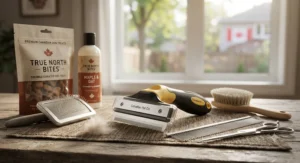
What to Expect: Real-World Performance During Undercoat Blowout
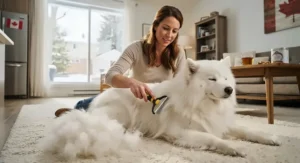
Specs and marketing claims only tell part of the story — what actually happens during a real deshedding session is messier and more gradual than most product pages suggest. Expect your first session with a new tool, especially during peak seasonal shedding, to produce a surprising amount of hair — enough that some owners report filling a small trash bag from a single grooming session on a large double-coated dog. That volume typically drops off over subsequent sessions as you work through the backlog of already-loosened undercoat, settling into a steadier, more manageable routine after the first week or two of consistent use. Expect some resistance from your dog during the first few sessions, particularly around sensitive areas like the belly, legs, and tail — most dogs acclimate within a handful of sessions once they associate grooming with a calm, short routine rather than a wrestling match. Don’t expect a single tool or session to eliminate shedding entirely; even with the best deshedding tool for double-coated dogs and a consistent routine, some baseline shedding is normal and healthy. The realistic goal is redirecting most of that loose fur onto a brush instead of your furniture, not achieving zero shed hair.
Deshedding Tools for Huskies and Other Heavy Double-Coat Breeds
Huskies, Malamutes, Samoyeds, and other arctic-type breeds carry some of the densest double coats in the dog world, and they demand a slightly different approach than moderately coated breeds like Labradors or Border Collies. A deshedding tool for Huskies needs to handle serious volume without requiring so many passes that grooming sessions become an hour-long ordeal — this is where a blade-style tool like the FURminator deShedding Tool genuinely earns its higher price point, since it’s engineered specifically for dogs over 50 lbs with substantial undercoat. Because these breeds typically “blow” their entire undercoat in a concentrated few weeks rather than shedding gradually year-round, the grooming routine should temporarily intensify during that window — daily sessions with a gentler tool like the Hertzko Self-Cleaning Slicker Brush, punctuated by two or three weekly deep sessions with a dedicated deshedding rake. Reviewers who own Huskies and Malamutes consistently note that skipping even a few days during peak blowout lets loose undercoat re-mat into the topcoat, creating a much bigger job later. It’s also worth noting that these breeds are not candidates for shaving, despite the seasonal heat — VCA Canada’s guide to grooming and coat care notes that shaving a heavily double-coated breed can trigger a rare complication called post-clipping alopecia, in which hair regrowth is delayed for up to two years, making consistent deshedding tool use the safer long-term strategy over clipping.
Long-Term Cost & Maintenance of Deshedding Tools
A cheap C$15 shedding blade that needs replacing every season can end up costing more over three years than a single C$60 FURminator that holds up under regular use — this is the total-cost-of-ownership math worth doing before you buy. Metal blade-style tools generally outlast pin-based brushes, since fine wire pins can bend or dull with heavy use, while a stainless steel blade edge tends to hold its shape for years with basic care. Maintenance itself is minimal but matters: rinse or wipe blades after each use to prevent buildup of skin oils and trapped hair, store tools somewhere dry to prevent rust on lower-quality stainless coatings, and periodically check pin-based brushes for bent or missing bristles that can scratch rather than groom. Factor in replacement combs and detangling sprays as part of the real cost of deshedding — a rake alone, without a companion comb like the one bundled into the Maxpower Planet Undercoat Rake & Comb Set, often needs a separate comb purchase anyway. Compared to the ongoing cost of professional grooming appointments during heavy shedding season, even a premium C$100 tool like the Chris Christensen Big G Slicker Brush typically pays for itself within a single shedding season for owners who would otherwise be booking biweekly grooming visits.
Understanding Seasonal Shedding Cycles in Double-Coated Dogs
Shedding in double-coated breeds isn’t random — it follows predictable seasonal cycles tied to daylight length and temperature shifts rather than the weather itself. According to Quebec-based pet care resource Pitou-Minou & Compagnie, seasonal shedders typically lose their coat in spring and autumn, shedding their thick winter undercoat in spring to cope with rising temperatures, then regrowing a warmer coat through autumn in preparation for cold weather, in a process driven by daylight and temperature changes. That means your dog’s biggest “coat blow” of the year is often triggered before the weather actually warms up, since increasing daylight hours are frequently the earlier signal. For Canadian dog owners, this creates a somewhat compressed and dramatic shedding season compared to milder climates — the swing from deep winter cold to summer heat is sharper, and so is the corresponding coat change. Recognizing where your dog is in that cycle helps you plan grooming intensity in advance rather than reacting to a house full of fur after the fact: ramping up sessions in the weeks leading into expected seasonal transitions, rather than waiting until the undercoat is already loose and shedding heavily, keeps the whole process more manageable and less overwhelming for both of you.
Benefits vs Traditional Alternatives
| Approach | Undercoat Removal | Time Investment | Coat Health Impact | Best For |
|---|---|---|---|---|
| Dedicated deshedding tool | High | Moderate, 1–3x weekly | Positive with correct frequency | Regular home maintenance |
| Standard bristle brush only | Low | Low, but frequent | Neutral, surface only | Daily topcoat upkeep |
| Professional grooming appointments | High | None (outsourced) | Positive, but costly over time | Owners without time to groom |
| Shaving/clipping | Complete (temporary) | Low, infrequent | Risky for double coats | Not recommended for double coats |
The clearest conclusion from this comparison is that a dedicated deshedding tool sits in a genuine sweet spot — more effective than a basic brush, far cheaper over time than repeated professional appointments, and without the coat-health risks tied to shaving a double-coated breed. Professional grooming still has its place, particularly for dogs with severe matting or owners who are physically unable to groom regularly, but for routine seasonal maintenance, a well-matched deshedding tool used consistently at home delivers comparable results at a fraction of the ongoing cost.
Frequently Asked Questions
❓ What is the best deshedding tool for double-coated dogs?
❓ How often should I use a deshedding tool on my dog?
❓ Can I use a deshedding tool on a Husky?
❓ Does deshedding hurt or damage a dog's coat?
❓ Should I shave my double-coated dog to reduce shedding in summer?
Conclusion
A double coat is a beautiful, functional piece of natural engineering — right up until shedding season turns your home into a fur-covered obstacle course. The good news is that the right deshedding tool for double-coated dogs turns a seasonal disaster into a manageable routine. Budget-conscious owners can start with the Coastal Pet Safari Shedding Blade or Maxpower Planet Undercoat Rake & Comb Set and get genuinely solid results, while owners of heavy-shedding breeds like Huskies or Malamutes will likely find the FURminator deShedding Tool worth its higher price tag. Gentler options like the Hertzko Self-Cleaning Slicker Brush and EquiGroomer 5-Inch Deshedding Brush round things out for sensitive-skinned dogs or nervous first-time groomers, and the Chris Christensen Big G Slicker Brush remains the choice for anyone chasing show-ring polish. Whichever tool you land on, the real key is consistency — a few short sessions a week, timed around your dog’s seasonal shedding cycle, will always beat one marathon session after the fur has already taken over the house. Match the tool to your dog’s coat and your own realistic grooming habits, and undercoat blowout season stops being something that happens to you and starts being something you’re actually prepared for.
🐾 Ready to Tame the Fur for Good?
✨ Browse today’s picks, check current pricing, and pick the deshedding tool that fits your dog’s coat and your routine. A calmer, fur-free home is closer than you think!
Recommended for You
- 7 Best Hypoallergenic Dog Wipes for Sensitive Skin in 2026
- Dog Dental Wipes 2026: 7 Picks That Actually Fight Plaque
- Dog Body Wipes for Between Baths: 7 Picks That Work (2026)
Disclaimer: This article contains affiliate links. As an Amazon Associate, I earn from qualifying purchases. If you purchase products through these links, we may earn a small commission at no additional cost to you.
✨ Found this helpful? Share it with your friends! 💬🤗
