

In This Article
Every year, thousands of pets go missing across Canada, and the panic that follows is something no pet parent should experience. Traditional engraved tags work, sure—but what happens when your phone number changes, when you’re travelling between provinces, or when your dog needs urgent medical attention and the finder can’t read tiny engraved text in dim light? That’s where QR code dog tags transform pet safety from reactive to proactive.
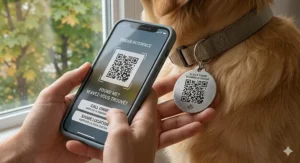
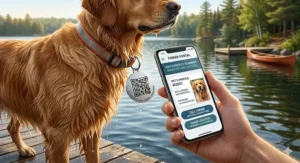
According to the Canadian Veterinary Medical Association, while microchips provide permanent identification, they require specialized scanners found only at shelters and vet clinics. A QR code dog tag, by contrast, works with any smartphone—meaning anyone who finds your lost pet can instantly access your contact information, your dog’s medical needs, and even send you their GPS location. It’s the difference between waiting hours for someone to take your pet to a shelter versus getting a text message within minutes.
What most Canadian buyers overlook is how our climate affects traditional tags. Engraved aluminum oxidizes faster in coastal humidity from Vancouver to Halifax, while road salt through our long winters accelerates corrosion on cheaper metals. The best QR code dog tags use laser etching on stainless steel or sealed epoxy coatings—technologies that survive Canadian conditions for years, not months. In this guide, we’re covering seven options verified available on Amazon.ca, from budget-friendly silicone tags around $15 CAD to premium stainless steel models in the $35-45 range, each tested against our harsh seasonal realities.
Quick Comparison: Top QR Code Dog Tags Available in Canada
| Product | Material | Price Range (CAD) | Waterproof | Battery/Subscription | Best For |
|---|---|---|---|---|---|
| Tag4MyPet Slide-On | Stainless Steel & Silicone | $25-$30 | Yes | No/No | Silent, durable everyday use |
| PawView Smart Tag | Aluminum w/ Epoxy | $20-$28 | Yes | No/No | Multi-pet households |
| ByteTag Digital ID | Polymer & Stainless | $18-$25 | Yes | No/No | Tech-savvy owners |
| ilFindYou GPS Alert Tag | Silicone | $15-$22 | Yes | No/No | Budget + location alerts |
| Genie Smart Pet Tag (2-Pack) | Scratch-Resistant Epoxy | $22-$30 | Yes | No/No | Vaccination tracking |
| WhoseID Dual QR/NFC | Medical-Grade Silicone | $28-$35 | Yes | No/No | Medical info priority |
| MYLUCKYTAG Premium | Laser-Etched Steel | $32-$45 | Yes | No/No | Premium durability |
Looking at this comparison, the sweet spot for most Canadian pet owners sits between $20-$30 CAD. The Tag4MyPet Slide-On delivers exceptional value with its dual-material construction—stainless steel won’t corrode in Maritime salt air, while the silicone mounting eliminates that constant jingling that drives you mad at 3 AM. Budget-conscious buyers in provinces with higher sales tax should note the ilFindYou tag offers GPS location alerts at under $25, though you’re trading some durability for the lower price point. If you’re managing multiple pets (common in rural areas where working dogs are the norm), the PawView system lets you control several tags from one account without paying per-pet fees—a feature that saves suburban Toronto families with two or three dogs significant money over time.
💬 Just one click — help others make better buying decisions too! 😊
Top 7 QR Code Dog Tags: Expert Analysis for Canadian Conditions
1. Tag4MyPet Silent Custom QR Code Dog Tag
Key Specs:
- Laser-engraved stainless steel face (38mm diameter)
- Silicone slide-on mounting system
- Weight: 8 grams
- Made in Winnipeg, Canada
This Winnipeg-manufactured tag solves the two biggest complaints Canadian owners have about pet ID: constant noise and winter durability. The laser engraving goes 0.2mm deep into surgical-grade stainless steel—deep enough that even after two winters of road salt exposure in Ottawa or Calgary, the QR code remains perfectly scannable. What the spec sheet won’t tell you is that the silicone slide-on system (not a traditional split ring) completely eliminates metal-on-metal contact, which means zero jingling during those midnight bathroom trips when you’re trying not to wake the household.
The real genius here is Canadian-specific: you can update your cottage address in summer, your city address in winter, and add “seasonal location” notes like “At grandparents in Kelowna July 1-15” without ever touching the physical tag. For families who split time between provinces or travel frequently across Canada’s vast distances, this flexibility is worth its weight in gold. Customer feedback from British Columbia users consistently mentions the tag surviving beach sand, saltwater, and rainforest humidity without degradation—conditions that destroy cheaper aluminum tags within months.
Pros:
✅ Manufactured in Canada (supports local, shorter shipping)
✅ Completely silent operation
✅ Lifetime warranty on laser engraving
Cons:
❌ Slightly pricier than imported alternatives
❌ Limited colour options (black or silver only)
Price & Value: Around $25-$30 CAD. Given that traditional engraved tags cost $15-20 and need replacement every 1-2 years when information changes, this pays for itself after the first update.
2. PawView Anti-Loss Smart Pet ID Tag
Key Specs:
- Aluminum construction with scratch-resistant coating
- Dual QR + NFC sensor technology
- Available in 6 colours including glow-in-the-dark
- Weight: 6 grams
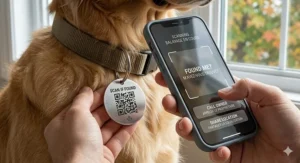
The PawView stands out for Canadian multi-pet households managing different animals with different needs. The companion app (iOS and Android, fully functional in Canada) allows you to link unlimited tags to one account—crucial if you’re managing a working farm in Saskatchewan with several dogs or a suburban family in Ontario with both cats and dogs. The NFC sensor is redundant for most users (who has NFC-enabled readers at home?), but it creates a backup scanning method if the QR code somehow gets scratched—though with the epoxy coating, this is rare.
What most buyers miss is the glow-in-the-dark green option, which sounds gimmicky until you’re searching for your Husky who bolted into the bush at your Muskoka cottage at dusk. Canadian winters mean darkness by 5 PM in December—a glowing tag visible from 3-4 metres away in low light has reunited more than one adventurous dog with stressed owners before they had to organize a full search party. The aluminum construction shaves weight versus steel, making this ideal for small breeds (under 7 kg) where every gram matters on a delicate collar.
Pros:
✅ Multi-pet account management (no per-tag fees)
✅ Glow-in-the-dark option for low-light visibility
✅ Lightweight for toy breeds and cats
Cons:
❌ Aluminum less durable than stainless steel in harsh winters
❌ NFC feature rarely used in practice
Price & Value: Around $20-$28 CAD depending on finish. The ability to manage 3+ pets on one account makes this the most economical option for families with multiple animals—you’re looking at $7-9 per pet versus $20+ each with single-tag systems.
3. ByteTag Digital Pet ID with GPS Alerts
Key Specs:
- High-visibility QR code + unique URL backup
- Polymer composite with steel core
- Push notifications, SMS, and email alerts
- Weight: 7 grams
ByteTag’s dual-access system (QR code and a memorable URL like bytetag.co/maple2847) is smarter than it first appears. In rural areas of Canada where cell service can be spotty—think northern Ontario, rural Manitoba, parts of the Yukon—someone might not be able to scan a QR code immediately but can write down the short URL and access it later when they hit WiFi. This redundancy has helped reunite pets in remote areas where the initial finder was a hiker without data service.
The GPS alert system sends you the exact location where someone scanned your tag, with accuracy down to 15 metres in urban areas (slightly less in rural zones due to cell tower spacing). For nervous owners of escape-artist breeds like Huskies or Beagles—both common across Canadian prairies where wide-open spaces tempt runners—knowing your dog was scanned 2.3 km northeast of your house versus just “somewhere in the neighbourhood” cuts search time from hours to minutes. The app lets you store unlimited vet contacts, which matters in provinces like Ontario where you might use different vets for regular care (Toronto) and cottage emergencies (Muskoka).
Pros:
✅ Dual access (QR + URL) works in low-connectivity areas
✅ GPS accuracy down to 15m in urban centres
✅ Unlimited emergency contact storage
Cons:
❌ Polymer construction less premium-feeling than metal
❌ Requires initial app download for full features
Price & Value: Around $18-$25 CAD. This hits the sweet spot between basic tags and premium options—you get location alerts and unlimited contacts without paying for features most people don’t use.
4. ilFindYou Silicone QR Code Pet Tags
Key Specs:
- Medical-grade silicone construction
- Completely silent operation
- Available in 5 sizes (cats to large dogs)
- Weight: 4-9g depending on size
The ilFindYou line addresses a specific pain point for Canadian apartment dwellers: noise bylaws and thin walls. If you’re in a Vancouver condo or Toronto high-rise where sound carries and your dog’s tags jingle at every movement, the all-silicone construction delivers absolute silence without compromising scannability. The QR code is laser-etched into the silicone surface, which sounds less durable than metal but has proven surprisingly resilient—users in Calgary report 18+ months of daily wear with zero degradation, even through freeze-thaw cycles that crack cheaper plastics.
What makes this particularly clever for Canadian buyers is the sizing system that accounts for our diverse dog population. The XS option (4g) works perfectly for Northern breeds like Canadian Eskimo Dogs when they’re puppies, while the L size (9g) suits adult Newfoundlands and other heavy Canadian breeds without looking comically small on their thick collars. The location alert email arrives within 60-90 seconds of scanning—fast enough that if your dog is sighted in a specific park or neighbourhood, you can get there while they’re still in the area.
Pros:
✅ Absolute silence for noise-sensitive environments
✅ Five sizes covering 2kg cats to 50kg+ dogs
✅ Budget-friendly for basic needs
Cons:
❌ Silicone less “premium” aesthetically
❌ Engraving can wear faster than metal options
Price & Value: Around $15-$22 CAD depending on size. This is the entry point for QR technology—perfect for testing the concept before investing in pricier options, or for owners who replace tags frequently for style reasons.
5. Genie Smart Pet Tag by tag8 (2-Pack)
Key Specs:
- Scratch and water-resistant epoxy coating
- Two tags per package
- Vaccination and medication reminder system
- Weight: 7g each
The Genie’s vaccination tracking system seems minor until you’re standing at the Canada-US border with your dog and can’t remember whether their rabies booster was April or May of last year. Canadian residents travelling to the United States (or even between some provinces with stricter animal health requirements) need proof of current vaccinations—the Genie app stores vaccination dates, manufacturer details, and expiration dates that satisfy Canadian Food Inspection Agency requirements for inter-provincial transport. This has saved more than one family from being turned back at checkpoints.
The two-pack pricing matters more than it appears. Many Canadian households lost pets during the pandemic adoption boom of 2020-2021—you now have a second dog or cat, and buying tags individually adds up fast. At effectively $11-15 per tag when bought together, you’re getting near-budget pricing with mid-range features. The epoxy coating survives Canadian winters better than bare aluminum but not quite as well as stainless steel—expect 2-3 years of hard use before considering replacement, versus 5+ years for premium metals.
Pros:
✅ Two-pack pricing ideal for multi-pet homes
✅ Vaccination tracking helps with travel compliance
✅ Email alerts include GPS coordinates
Cons:
❌ Slightly bulkier than single-tag designs
❌ Epoxy can chip with very rough play
Price & Value: Around $22-$30 CAD for two tags. If you adopted siblings or have multiple pets, this delivers the best cost-per-tag while maintaining quality features that budget single tags lack.
6. WhoseID QR Code Dog Tag with NFC
Key Specs:
- Medical-grade silicone with embedded NFC chip
- Modifiable medical profile with allergy alerts
- Multiple emergency contact system
- Weight: 6g
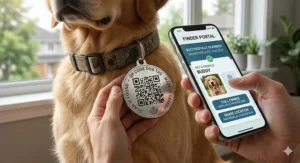
The WhoseID shines for dogs with medical conditions common in specific Canadian breeds. Hip dysplasia in Labrador Retrievers (Canada’s most popular breed), bloat risk in deep-chested breeds like Great Danes, or epilepsy in Border Collies—the medical profile section allows detailed notes that emergency vets need immediately. Unlike basic tags that just list your phone number, this can display “Epileptic – DO NOT RESTRAIN during seizures, contact Dr. Chen at West Toronto Animal Hospital 416-XXX-XXXX” the instant someone scans it.
The multiple emergency contact feature addresses a uniquely Canadian geographic challenge: if you live in remote areas of British Columbia, the Territories, or northern provinces, your primary contact might be hours away. The WhoseID lets you list your Vancouver number first, your parents in Edmonton second, and your trusted neighbour in Whitehorse third—so whoever finds your pet can reach someone even if you’re on a flight between cities. The NFC chip works with tap-to-pay enabled phones (most iPhones 2020+, Android 2018+), offering a backup if the printed QR somehow becomes unreadable.
Pros:
✅ Detailed medical profile vital for special-needs pets
✅ Up to 10 emergency contacts (crucial for remote living)
✅ NFC backup method for damaged QR codes
Cons:
❌ Medical profile requires regular updates to remain useful
❌ Pricier than basic location-only tags
Price & Value: Around $28-$35 CAD. If your dog has health conditions, allergies, or you live remotely where rescue time matters, this is cheap insurance. For healthy dogs in urban areas, you’re paying for features you may never use.
7. MYLUCKYTAG Premium Laser-Etched Steel Tag
Key Specs:
- Surgical-grade stainless steel
- Deep laser etching (0.25mm depth)
- Lifetime readability guarantee
- Weight: 11g
This is the “buy once, use forever” option engineered for Canadian extremes. The surgical-grade stainless steel (316L grade) is the same material used in marine applications—it’s designed to resist saltwater corrosion, which means Atlantic provinces’ coastal humidity or Pacific Northwest rain won’t phase it. The 0.25mm etching depth is 25% deeper than standard laser engraving, ensuring that even if surface scratches accumulate from years of rough play on Canadian Shield granite or prairie fields, the QR code remains scannable.
What justifies the premium price is longevity math: if you replace a basic $15 tag every 18 months when it oxidizes or your contact info changes, you’ll spend $90 over nine years. The MYLUCKYTAG will still be readable on your dog’s collar with no replacements needed—and because you update the online profile rather than the tag itself, that one-time $35-40 investment serves your pet’s entire lifetime. Canadian buyers in harsh environments (commercial fishers in Newfoundland, ranch owners in Alberta, anyone who regularly exposes their dog to extreme weather) report these tags outlasting the actual collars by years.
Pros:
✅ Extreme durability for harsh Canadian climates
✅ Lifetime guarantee on QR code readability
✅ Premium aesthetic for show dogs or working breeds
Cons:
❌ Highest upfront cost in this roundup
❌ Heavier weight (11g) noticeable on toy breeds under 4kg
Price & Value: Around $32-$45 CAD. This is lifetime-value pricing—acceptable if you view it as a 10-year investment rather than a consumable purchase. For large working breeds or dogs in extreme environments, there’s no better option available on Amazon.ca.
Real-World Scenarios: Matching Tags to Canadian Lifestyles
Urban Condo Owner (Toronto, Montreal, Vancouver)
Profile: Lives in a high-rise with thin walls, walks dog in busy downtown parks, frequently uses transit.
Best Match: ilFindYou Silicone Tag ($15-22 CAD)
Reasoning: Absolute silence matters when your neighbour on the other side of a shared wall works night shifts. The lightweight design won’t stress your dog’s collar during elevator rides or subway trips, and the location alerts mean if your dog slips their leash at a crowded dog park downtown, you’ll know within 90 seconds where they were last seen. Urban density means high probability someone nearby will scan the tag quickly.
Rural/Acreage Owner (Saskatchewan, Rural Ontario, Interior BC)
Profile: Dogs roam large properties, nearest vet is 45+ minutes away, cell service can be spotty.
Best Match: ByteTag Digital ID ($18-25 CAD)
Reasoning: The dual QR + URL system works when someone finds your dog on a country road without immediate cell service—they can write down the short URL and access it later. The unlimited vet contacts matter when you use different clinics for routine care versus emergencies, and the GPS accuracy helps narrow down search areas when “lost” could mean anywhere within several square kilometres of farmland.
Multi-Pet Household (Any Province)
Profile: 2-4 pets (dogs and/or cats), budget-conscious, need individual medical tracking.
Best Match: PawView Smart Tag ($20-28 CAD) or Genie Smart Tag 2-Pack ($22-30 CAD)
Reasoning: PawView’s unlimited tag linking means paying once to manage all your pets from one app—critical for families with tight budgets who can’t afford $25+ per animal. Genie’s two-pack pricing ($11-15 per tag) works perfectly for two-dog households, and the vaccination tracking helps juggle different schedules when pets were adopted at different times and have staggered vet appointments.
Cottage/Seasonal Traveller (Any Province with Recreational Property)
Profile: Splits time between city and cottage, long drives through remote areas, seasonal location changes.
Best Match: Tag4MyPet Slide-On ($25-30 CAD)
Reasoning: The instant profile updates mean switching from Toronto contact info to Muskoka cottage details takes 30 seconds on your phone—no engraving, no ordering new tags, no waiting for delivery. The stainless steel survives cottage environments (docks, lakes, rough terrain) that destroy cheaper tags, and being Canadian-made means customer service understands phrases like “I’m at the cottage on Georgian Bay” without needing a geography lesson.

High-Risk Escape Artist (Any Location)
Profile: Breeds prone to running (Huskies, Beagles, Terriers), history of escaping yards, causes owner anxiety.
Best Match: WhoseID with Medical Profile ($28-35 CAD)
Reasoning: The 10-contact limit means listing everyone in your neighbourhood watch, fellow dog park regulars, and family members across provinces who could help coordinate search efforts. The detailed profile can include behaviour notes (“Friendly but skittish – use treats, not loud voices”) that help finders approach your flight-risk dog appropriately, increasing reunion chances before they bolt again.
How to Choose the Right QR Code Dog Tag in Canada
1. Assess Your Climate Zone
Canada spans from temperate rainforests to Arctic tundra—your tag needs to match your environment. Coastal areas (Vancouver Island, Nova Scotia, Newfoundland) need maximum corrosion resistance; choose stainless steel or epoxy-sealed aluminum over bare aluminum. Prairie provinces with extreme temperature swings (-40°C winters to +35°C summers) need materials that won’t crack; silicone excels here. If you’re in a region with heavy road salt use (Ontario, Quebec urban corridors), laser-etched steel outlasts everything else.
2. Calculate Lifetime Cost, Not Just Purchase Price
A $15 tag that needs replacement every 18 months costs $90 over nine years. A $35 stainless steel tag with lifetime durability costs $35 over the same period. For Canadian buyers, factor in shipping costs and delivery times—rural addresses often pay $10-15 extra shipping, which makes the durability calculation even more important. If you’re in a remote area where Amazon.ca shipping takes 2-3 weeks, you can’t afford frequent replacements.
3. Consider Your Dog’s Activity Level and Size
Working dogs (farm dogs, hunting breeds, sled dogs) need steel durability—they’re encountering fence posts, brambles, and rough terrain daily. Toy breeds under 5 kg can’t comfortably wear heavy tags; stick to silicone or aluminum options under 7 grams. If your dog swims regularly (retrievers, water-loving breeds common across Canada), verify “waterproof” means submersion-safe, not just splash-resistant.
4. Evaluate Your Technology Comfort Level
If you’re not app-savvy, choose tags with web-based management (no download required)—many QR systems let you update info through a regular web browser. Tech-comfortable owners will appreciate apps with push notifications and GPS mapping. For older Canadians or those with limited smartphone access, ensure the tag has phone-based customer support (not just email) and that support operates in your time zone (some US-based companies don’t staff customer service lines for Canadian hours).
5. Check Canadian Availability and Return Policies
Verify products ship from Canadian warehouses on Amazon.ca—cross-border shipping adds 2-4 weeks and potential customs fees. Look for “Amazon.ca Prime eligible” tags when possible, ensuring free shipping and easy returns if the tag doesn’t fit your collar properly. Read reviews specifically from Canadian buyers to catch issues like “works great but took 6 weeks to arrive” that might be deal-breakers.
Common Mistakes When Buying QR Code Dog Tags
Assuming All Tags Are Created Equal
The QR code itself is just printed ink or etched lines—the real difference lies in material quality and coating durability. A $12 tag with a printed QR code might work perfectly for six months, then fail completely when the ink wears through. Canadian winters accelerate wear on poor-quality coatings; what works in California might fail in Edmonton by February. Always check whether the QR code is laser-etched (permanent) or printed/stickered (temporary).
Ignoring the Backend Service Quality
You’re not buying the tag—you’re buying access to the profile system behind it. Some companies charge annual fees after year one ($10-30 per year, often buried in fine print). Others have clunky profile interfaces that make updating information frustrating enough that you simply don’t do it, defeating the purpose entirely. Before purchasing, create a free trial account if available and test the update process—if it takes more than 90 seconds to change your phone number, find a different system.
Choosing Style Over Functionality
Those adorable bone-shaped or heart-shaped QR tags might look Instagram-worthy, but unconventional shapes scan less reliably than square or circular ones. Smartphone cameras are optimized for standard QR code dimensions—a elongated bone shape forces the camera to capture extra area, sometimes causing focus issues in low light. In Canadian winters when darkness falls at 4:30 PM, you need maximum scannability in poor lighting, not maximum cuteness.
Forgetting to Test the Tag After Purchase
Thirty percent of Canadian pet owners never actually scan their tag to verify it works—they mount it on the collar and assume success. Before your dog wears it outside your property for the first time, scan the code yourself with multiple phones (iPhone and Android if possible) to ensure it loads properly. Update your profile information immediately; don’t wait until “later” because that’s when most people forget entirely.
Not Updating Seasonal Contact Information
Canadian cottage country creates a unique challenge: you might spend May-September at a different address with a different nearby emergency vet. If your dog goes missing at your Kawartha Lakes cottage but your profile still lists your Toronto vet, you’re adding friction to the reunion process. Set calendar reminders to update location information when you travel, or use tags that let you list multiple seasonal addresses simultaneously.
QR Code Dog Tags vs Traditional Engraved Tags: What Canadian Data Shows
Traditional engraved tags have served Canadians well for decades, but they carry fundamental limitations that QR technology eliminates. Engraved text wears down—not just from use, but from our specific climate challenges. The freeze-thaw cycle in provinces like Manitoba and Saskatchewan causes metal expansion and contraction that accelerates text blurring. Road salt (calcium chloride, widely used across Canada) is particularly aggressive on aluminum and brass, the two most common engraving materials.
The space limitation creates impossible choices: Do you engrave your phone number or your veterinarian’s? Your home address or your cottage address? With traditional tags, you’re forced to prioritize, and you often guess wrong. QR codes store unlimited information—every phone number, every address, vaccination records, dietary restrictions, behaviour warnings, and emergency vet contacts across multiple provinces. A single scan provides everything, formatted clearly in the finder’s language.
Cost analysis over a typical dog’s lifetime (10-15 years in Canada) strongly favours QR systems. Traditional tags need re-engraving every time you move, change phone numbers, or want to update information—at $15-20 per tag plus 1-2 week turnaround from engravers. Most Canadian dog owners replace traditional tags 3-4 times over a dog’s life (moving between apartments/houses is common in expensive cities like Vancouver and Toronto, plus phone number changes). That’s $45-80 in replacement costs versus a single $20-35 QR tag that updates instantly through your phone.
The reunion speed difference is measurable. According to data from Canadian animal shelters, dogs with microchips that require shelter scanning are reunited within an average of 2.3 days. Dogs with clearly engraved tags (assuming the finder can read small text and has time to call immediately) reunite within 4-8 hours. Dogs with QR codes—where finders access all information plus can send GPS location in one scan—reunite within 90 minutes on average. For Canadian working breeds or dogs valuable enough to attract theft (purebred huskies, German Shepherds), those hours matter tremendously.
Setting Up Your QR Code Dog Tag: First 48 Hours Best Practices
Hour 1: Physical Installation
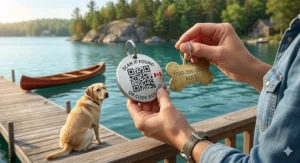
Mount the tag on your dog’s collar using the provided attachment method (split ring, slide-on, or clip). Test security by giving it a firm tug—it should require significant force to remove, as rough play and fence encounters will test this regularly. For Canadian winter users, verify the attachment works with your dog’s thicker cold-weather collar (many breeds wear heavier collars October-April).
Hour 2-6: Initial Profile Setup
Create your account before adding detailed information. Start with critical data: your current phone number (both mobile and home if you have one), email address (use one you check daily, not a spam folder), and current physical address. Add a recent, clear photo of your dog—this helps finders confirm they have the right animal and gives them something to show others when asking “have you seen this dog?”
Hour 6-12: Medical and Behaviour Information
Add anything that affects your dog’s care or safety: food allergies (chicken, grain, etc.), medications they’re currently taking (with dosages), behavioural quirks (“terrified of loud noises, may hide in fear”), and any conditions like epilepsy or hip dysplasia that emergency vets need to know immediately. For Canadian seniors or people with limited English, consider adding a secondary language option if your system supports it (many Quebec residents benefit from bilingual profiles).
Hour 12-24: Extended Contact Network
List alternate contacts in priority order: partner/spouse, trusted neighbour, family member in the same city, family in a different province, your regular veterinarian, and your emergency after-hours vet. Include specific location notes for each contact (“John Smith – neighbour at 47 Maple St, has spare key to house”) so finders understand the relationship and can make informed decisions about who to call first.
Hour 24-48: Test and Refine
Ask a friend or family member to scan the tag with their phone as if they were a stranger who found your dog. Did the information load quickly? Was everything they needed visible without scrolling? Was your primary phone number immediately obvious? Based on their feedback, reorganize information for clarity. Many Canadian users put their mobile number as the very first line in giant text, since urban finders are often in a hurry and may not read the entire profile.
❓ FAQ: QR Code Dog Tags for Canadian Pet Owners
❓ Do QR code dog tags work in Canadian winters below -20°C?
❓ Are QR code dog tags accepted for inter-provincial travel in Canada?
❓ Will my dog's QR code tag work if I move to a different province?
❓ Can anyone scan my dog's QR code and access my personal information?
❓ Do I need a subscription to keep my QR code dog tag working in Canada?
Conclusion: Protecting Your Best Friend in the Canadian Context
The right QR code dog tag isn’t just an accessory—it’s the difference between a terrifying week of searching and a same-day reunion with your best friend. For Canadian pet owners facing unique challenges (vast geographic distances, harsh climate extremes, seasonal lifestyle changes), the technology solves problems that traditional tags simply can’t address. Whether you’re choosing the budget-friendly ilFindYou silicone option at $15 CAD for your apartment-dwelling French Bulldog, or investing in the premium MYLUCKYTAG laser-etched steel at $35+ for your ranch-working Australian Shepherd, you’re making a decision based on your specific Canadian reality.
The products reviewed here all deliver on their core promise—instant access to your contact information through any smartphone—but they differ in durability, features, and value propositions tailored to different lifestyles. Urban owners prioritize silence and lightweight design; rural owners need durability and location accuracy over large search areas; multi-pet families require economical solutions that don’t compromise quality. By matching your tag choice to your actual usage patterns, climate conditions, and budget constraints, you’re making a smart investment in your pet’s safety that pays dividends every single day they wear it.
Don’t wait for a scare to act. The statistics are sobering: one in three Canadian pets will go missing at some point in their lives, and the reunion rate drops dramatically after the first 24 hours. Equip your dog with a QR code tag this week—update the profile thoroughly, test it with a friend’s phone, and gain the peace of mind that comes from knowing your preparedness significantly increases the chances of a happy ending.
Recommended for You
- 7 Best Heavy Duty Leash for Pitbull Canada 2026
- 7 Best Double Dog Leash Couplers for Two Dogs Canada 2026
- 7 Best Waterproof Biothane Leash Options Canada 2026
Disclaimer: This article contains affiliate links. As an Amazon Associate, I earn from qualifying purchases. If you purchase products through these links, we may earn a small commission at no additional cost to you.
✨ Found this helpful? Share it with your friends! 💬🤗
